

FEATURE
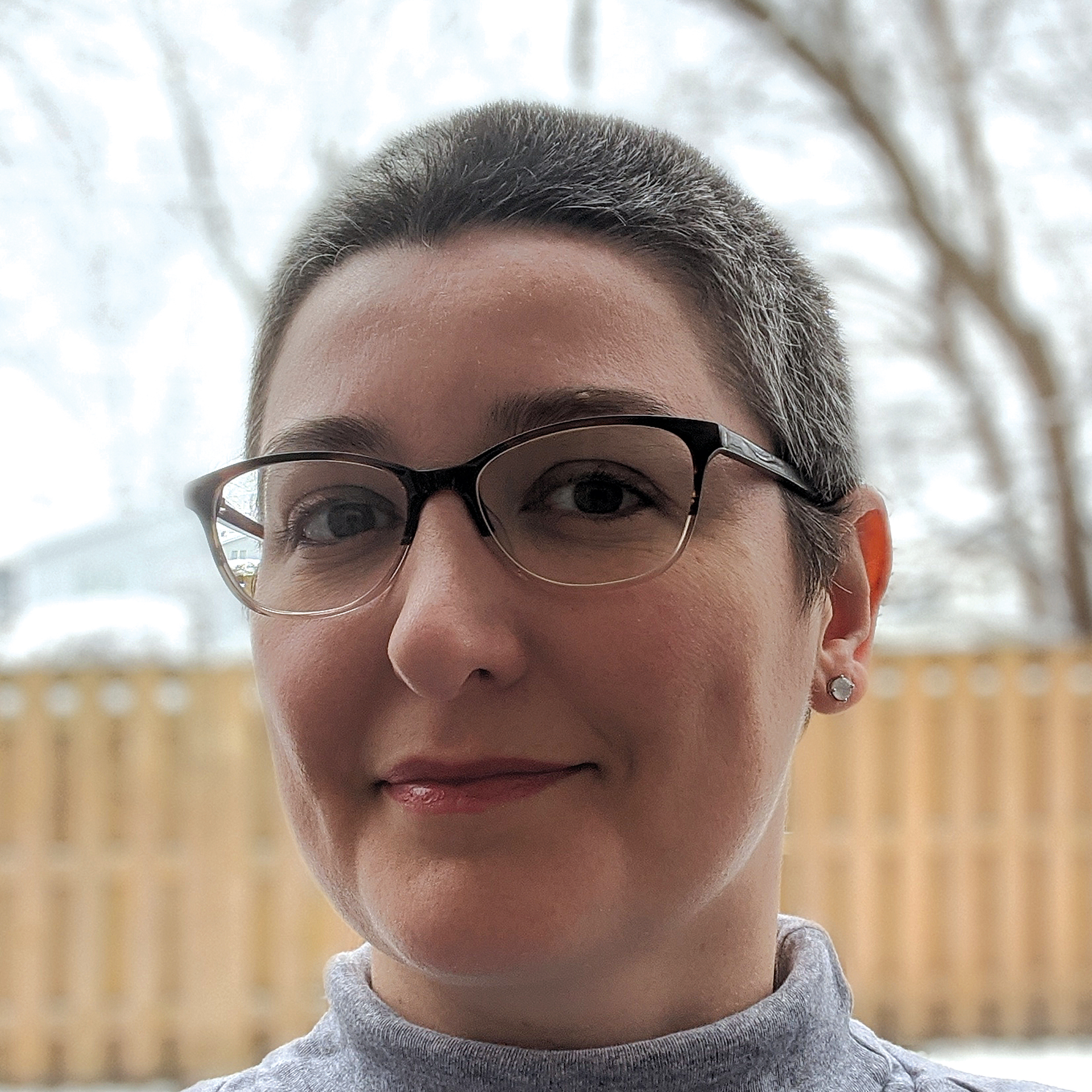
Melissa Harkin
Senior translator at Harkin Translations
Being part of this special issue means being recognized as an expert in my field and having the opportunity to have my work and my story shared with a wide audience. It’s both inspirational and motivational. It’s easy to get caught up in self-doubt and to feel like an imposter, despite knowing that I have developed an outstanding career and portfolio. To be here, among this constellation of women translators, shows that our work is recognized and that we should heed the compliments we have received.
Sometimes, we tell ourselves that others could do what we do or that we were just in the right place at the right time. But the truth is, our accomplishments are just that — our accomplishments. And we should be proud of them! It’s important to remember that these accomplishments are a testament to our hard work and dedication. So we should take a moment to savor them and let ourselves feel proud of all that we have achieved together.
ACCOLADES
The value of her work goes beyond the words she delivers.
She is passionate about translation and always seeks to learn and develop her skills.
It’s no secret that women have been historically underrepresented in business. But in the field of translation, we are the majority. Women are often seen as the more sensible — and sensitive — gender, and that comes in handy when reading and writing. We are strong, and we are able to see the different sides of every issue and find middle ground where others might believe there is only one possible interpretation. As the majority of the translation workforce, we have a responsibility to set the tone for ethics and practice in our field, and we take that responsibility seriously. We want to be sure that our work is of the highest quality so that everyone can benefit from it. That’s why we always strive to learn more and improve our skills.
I’m proud to be a woman and a translator because I know we bring a unique perspective to the field. We know that we have an important role to play in making sure that communication is clear, accurate, and accessible for everyone but also in paving the way for the next generation of translators and interpreters, which is why I’m eternally grateful to my four guiding stars, four women that have positively affected my career and professional development: Judy Jenner, Karen Tkaczyk, Cris Silva, and Luciana Meinking Guimarães — thank you!
A former Greenpeace employee and an activist for life, Melissa’s client list include former presidents of both Brazil and the United States, the World Bank, and the IDB, and leading NGOs and foundations that work to promote climate justice for all, such as Greenpeace, Conservation International, Amazon Watch, 350.org, and the Rainforest Action Network, to name a few. Melissa also translates extensively for organizations and foundations that work to improve and promote education in Brazil. Throughout the years, I’ve noticed that she brings to her work the changes she wants to see in the world. She’s also incredibly generous in sharing her knowledge and experience with colleagues and newbies alike without expecting a thing in return. She replies to every message and request she receives. She once told me that translators should collaborate more instead of seeing their peers as competition all the time, and she walks that talk. Oftentimes, technical translators don’t stand in the spotlight, but they should. Melissa’s extensive body of work translating the science of climate change and the issues faced by Brazil’s indigenous peoples has reached the hands of important world leaders, explained the biodiversity crisis to the general public, helped fundraise for various NGOs, and brought projects to life to help give a voice to Brazil’s indigenous peoples and local communities.
WEEKLY DIGEST
Subscribe to stay updated between magazine issues.


