


DeepL, Write, and penetrating AI
While it’s too early to make firm statements, it’s not unlikely that linguistic AI labs like DeepL or large language models (LLM) such as GPT-3 will be embedded in different steps of the translation process. The increasing penetration of AI in language services is keeping industry analysts busy as potential disruptions now need to be defined.

A conference banned ChatGPT-generated text in its call for submissions. Can it enforce that policy?
When OpenAI’s ChatGPT burst onto the scene in November 2022, it also created a bit of distrust between writers and readers — so much so, that the International Conference on Machine Learning (ICML) recently banned the tool’s use in papers submitted to the conference.

Language tech developments at the 8th Google for India conference
At the eighth Google for India event earlier this week, Google announced a handful of new language technology developments that it will soon begin to roll out in India.

Research from Translated projects that MT is nearing human-like levels of performance
By observing the edits made to MT output by the 136,000 highest performing freelance translators on Matecat — the company’s computer-assisted translation tool — Translated found that the amount of time translators take to edit MT output has been declining along a “surprisingly linear trend.”
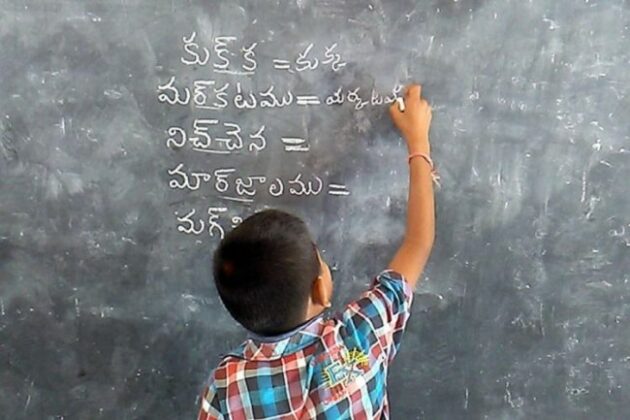
NVIDIA researchers win first place in Telugu ASR competition
Though it’s among the most widely spoken languages in the world, Telugu has few high-quality ASR models available for it, and is classified as a low-resource language.

Here’s what people are saying about OpenAI’s ChatGPT
OpenAI, the San Francisco-based artificial intelligence laboratory behind the large language model (LLM) GPT-3 and the image generator DALL-E, launched a new tool on Wednesday: ChatGPT.

Training AI to read your lips — in multiple languages
While most speech recognition tools analyze audio alone, researchers have also made progress in developing visual speech recognition (VSR) models, which rely on visual input to identify what a speaker is saying.

Machine translation is no substitute for humans when it comes to law enforcement
“I've been doing this for 27 years, and I have seen the evolution of the industry when it comes to translation technologies,” he said. “To translators and interpreters, I want to say: ‘You are not obsolete, you are important, you are needed, and you will be needed always.’ ”

Zoom adds sign language interpretation feature
The company has been on a bit of an accessibility kick lately, with the addition of a sign language interpreting view serving as the latest example of the company’s efforts to make the platform more approachable for users who might otherwise have difficulties communicating through Zoom.