

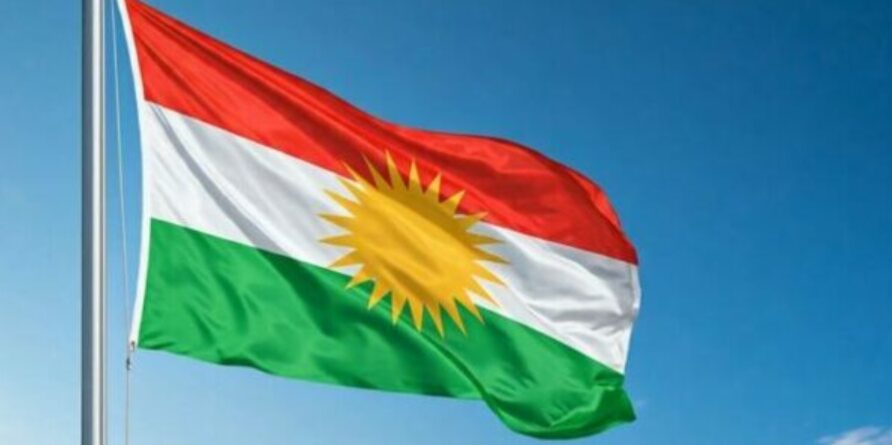
Delegates at the Kurdish Language Conference in Amed (Diyarbakır), held on 29 June, have voted to establish a transnational confederation of Kurdish language institutions. The new body, formally named the Confederation/Commune of Kurdish Language Institutions (KSZK), is designed to coordinate Kurdish language planning, cultural programming, and institutional cooperation across all parts of Kurdistan.
Kurdish, an Indo‑Iranian language spoken across southeastern Turkey, northern Syria, northern Iraq, and western Iran, has long faced fragmented policy environments and inconsistent access to Kurdish‑medium education. Public visibility of the language varies widely across regions, and institutional support often depends on local political conditions. Amed, a cultural center for Kurdish communities in Turkey, has become a focal point for language activism, publishing, and civil‑society organizing, making it a strategic location for a conference aimed at building unified structures.
ANF News reported and published the conference’s final declaration, which outlines a comprehensive 15‑point roadmap. In addition to establishing KSZK, the plan calls for expanding Kurdish‑language media, redesigning cityscapes in Kurdish, institutionalizing folklore work, launching an online school, and prioritizing Kurdish as the primary language of institutional communication. The declaration also calls for mandatory language workshops for public employees, expanded cultural broadcasting, and dedicated support for Kirmanckî/Zazakî development.
The conference, organized by the Democratic Language Institutions — a regional coalition of cultural and linguistic organizations — under the theme “A New Framework for Negotiation: From Status to Education,” brought together writers, municipal cultural officials, and representatives of Kurdish language organizations.
Speakers outlined the pressures facing Kurdish in public life and the need for coordinated action. Writer Dilawer Zeraq described the effects of assimilation policies on linguistic vitality, while Tahir Baykuşak, Director of the Language Protection and Development Branch of the Diyarbakır Metropolitan Municipality, emphasized restoring Kurdish visibility in urban spaces, including signage and place names. Zeki Peker and Murat Bilgiç, Co‑Chair of the Amed Kurdish Institute, highlighted the importance of long‑term planning and community‑driven initiatives.
Together, the measures outlined in the declaration point to a future in which Kurdish gains greater institutional visibility, expanded media presence, and more consistent access to education across regions. By creating a unified structure for language coordination, the conference’s decisions mark one of the most ambitious community‑driven revitalization efforts in the region and signal a strategic shift toward cross‑regional cooperation aimed at strengthening Kurdish across public, cultural, and institutional domains.


