GlobeScribe AI Translation Service for Fiction Sparks Debate Among Translators

0
AI translation service

A low-cost model targets indie authors and publishers

United Kingdom (UK)-based startup GlobeScribe.ai has launched a new AI-powered translation service for fiction writers, offering translations at $100 per book, per language. Aimed at traditional publishers and self-published authors alike, the platform promises to make literary translation more accessible and scalable. Founded by Fred Freeman and Betsy Reavley — former directors of Bloodhound Books — the company positions its tool as a way to “open the door to new opportunities” for global readership, especially for genres like crime, thriller, and romance.

According to The Guardian, GlobeScribe conducted blind tests in which native speakers compared AI-generated translations with those made by professional human translators. The results, the company claims, showed readers often couldn’t tell the difference. In some cases, the AI output was said to be more faithful in tone to the original English manuscript. The platform’s founders also insist the tool is not meant to replace human translators, but rather to complement the work and make it more productive.

Translators push back against ‘good enough’

Despite these claims, the service has drawn sharp criticism from translators and industry advocates. Ian Giles, chair of the Society of Authors’ Translators Association, warned that the model sidelines the very people who make literature meaningful across cultures. Others, like translator Deepa Bhasthi, emphasize that translation is far more than accuracy — it involves context, rhythm, emotional depth, and cultural nuance.

“There are words that carry entire worlds within them,” Bhasthi said, pointing out the limitations of even the most sophisticated AI.

While GlobeScribe’s founders believe AI tools “should be embraced thoughtfully,” critics argue that normalizing fast, low-cost translation could erode the artistic integrity of translated literature.

This controversy taps into a deeper concern: the growing perception that translation is instant, automatic, and “good enough.” For professionals in the field, this signals not just a technological shift, but a cultural one — one that could reshape how we value, fund, and produce literature across languages.

H2G2? Americans Struggle With Text Acronyms as Digital Fluency Gap Widens

0
Text Acronyms Still Confuse Most Americans

Acronyms like AYOR and NAGI leave even digital natives guessing

Digital communication is supposed to be fast. Efficient. Maybe even fun. But a recent survey conducted by language-learning platform Preply reveals a different reality: Americans are increasingly baffled by the shorthand filling their social feeds and group chats.

In a poll of over 1,800 adults, participants were asked to identify the meaning of various modern acronyms. The results? Less than 5% recognized abbreviations like EMBM (“early morning business meeting”), RLRT (“real life retweet”), or KPC (“keep parents clueless”). While millennials performed slightly better than Gen Z, the overall scores suggest that the digital dialect is evolving faster than people can keep up.

Communication vs. Confusion

According to Preply’s report, text acronyms are becoming a second language within online spaces. Yet this shift has not translated into universal understanding. Acronyms like AYOR (“at your own risk”) or NAGI (“not a good idea”) often leave readers confused or frustrated. In fact, several respondents admitted feeling irritated by expressions such as GRATZ (“congratulations”) or IANAL (“I am not a lawyer”).

The survey also noted that platforms like Reddit, TikTok, and X (formerly Twitter) are major hotspots for emerging acronyms, with each cultivating its own niche vocabulary. What’s clear is that text-based language is increasingly contextual and exclusionary.

Implications for Language Learning

This growing disconnect has important implications for educators, marketers, and localization professionals alike. For language learners, mastering standard grammar is no longer enough. Understanding cultural and digital expressions is key to fluency, particularly as internet slang finds its way into professional and personal conversations. Instructors are now encouraged to include online language habits in curricula to help students decode not just what is said, but how it’s said in real-time contexts.

Acronyms are not just linguistic shortcuts — they carry cultural, generational, and social cues. For language service providers and multilingual professionals, this trend underscores the need for constant cultural calibration and the importance of staying in sync with evolving digital speech.

Uzbek, Kazakh and Karakalpak machine translation in CAT-Tools

0
Tilmoch.ai Brings Uzbek MT to CAT Tools

Custom.MT adds support for Uzbek-led MT engine trained on regional Turkic languages

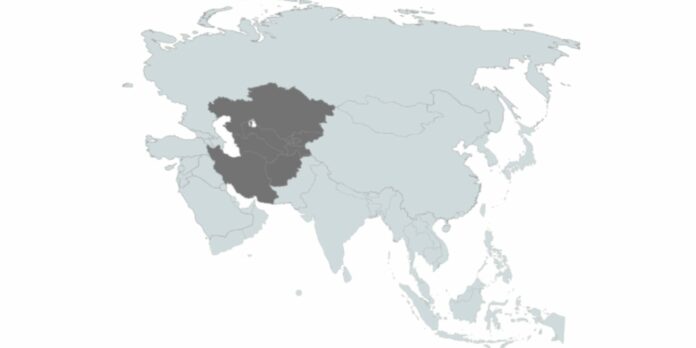
Central Asia is undergoing rapid economic expansion, with projected growth of 5.7% in 2025—outpacing China. As the region becomes increasingly relevant for brands pursuing global expansion, localization programs are adapting to meet its linguistic needs.

To support this shift, Custom.MT has integrated Tilmoch.ai, Uzbekistan’s leading machine translation provider, into its platform. Built on Meta’s large language model technology, Tilmoch is trained using a specialized corpus of Turkic languages spoken across the region.

The current version supports high‑quality English-to‑target translation in:

  • Uzbek (35 million speakers; supports both Cyrillic and Latin scripts)

  • Kazakh (20 million speakers)

  • Karakalpak (0.5 million speakers)

  • Turkish (84 million speakers)

Founded by Mukhammadsaid Mamasaidov, Tilmoch.ai aims to expand coverage to additional Central Asian languages, including Kyrgyz, Tajik, and Turkmen.

Through this integration, users can now access Tilmoch via major CAT and TMS tools — Trados, memoQ, XTM, Smartling, Smartcat — as well as a dedicated document translation portal. Translation data are protected under Custom.MT’s centralized Data Processing Agreement, ensuring secure handling and compliance.

About Custom.MT

Custom.MT is a Prague-based company founded in 2020 by Konstantin Dranch and Philipp Vein. The company specializes in machine translation training, evaluation, and integration, offering a platform that enables clients to aggregate, fine-tune, and deploy multiple MT engines — including OpenAI, Google AutoML, Microsoft Translator, and Yandex — across localization workflows. Custom.MT provides services such as engine benchmarking, post-editing performance analytics, on-premise deployment, and tag/glossary management. Their solutions are integrated with major CAT and TMS tools like Trados, memoQ, Smartling, and XTM, supporting localization teams, language service providers, and enterprise content managers worldwide.

About Tilmoch.ai

Tilmoch.ai, developed by the Uzbek startup Tahrirchi, is an AI-powered translation engine focused on improving machine translation for Turkic languages. Built using Meta’s large language model technology and trained on regional linguistic data, Tilmoch currently supports Uzbek, Kazakh, Karakalpak, and Turkish, with plans to expand to Kyrgyz, Tajik, and Turkmen. The platform reportedly offers significantly higher translation accuracy for Uzbek compared to mainstream providers. With more than 12,000 daily users, Tilmoch.ai operates both as a B2C tool and through B2B integrations, including APIs and subtitling services. The company is also active in NLP research and open-source contributions via platforms like Hugging Face.

Strategic Alliance Launches New Program to Train Future-Ready Language Professionals

0
Text Acronyms Still Confuse Most Americans

LangOps Institute and TranslaStars join forces to offer cross-disciplinary training in AI-powered multilingual communication

 new partnership between the LangOps Institute and TranslaStars aims to address the evolving needs of language professionals by offering a comprehensive program focused on the intersection of artificial intelligence, multilingual communication, and content operations.

The initiative combines the LangOps Institute’s expertise in language operations frameworks with TranslaStars’ established role in delivering practical online training to professionals across the translation and localization sector. Together, they intend to develop a new learning ecosystem that equips professionals with the skills needed to adapt to the growing role of AI in global communication strategies.

Program Structure and Objectives

Set to launch in January 2026, the joint master program will offer modules on AI integration, cross-disciplinary content strategy, and real-world applications using case studies and industry projects. Instruction will be delivered in multiple languages and led by experts from companies such as SAP, Skyscanner, and Rover.

The LangOps Institute will oversee course validation and testing, while also contributing to content development. Certification will be jointly issued, ensuring alignment with emerging industry standards in language operations and AI-enhanced workflows.

Institutional Background

Founded in 2024, the LangOps Institute is based in Dublin and was established to foster a deeper understanding of language as a strategic asset in business. It focuses on the development of multimodal, multilingual pipelines powered by AI technologies.

TranslaStars, founded in 2019, has grown into a global learning platform offering over 300 courses in six languages. It hosts several specialized sub-brands and serves a wide range of learners in the localization industry.

Responding to Market Shifts

As organizations increase their reliance on automated language solutions, professionals are expected to adapt to roles that blend linguistic expertise with operational and technological fluency. The partnership reflects a broader trend in the language industry: the need for continuous upskilling to meet the demands of AI-driven global communication.

Enrollment details and course information will be available soon at www.langops.institute and www.translastars.com.

About the LangOps Institute

Founded in 2024 by Arthur Wetzel and based in Dublin, Ireland, the LangOps Institute was created to advance expertise in AI-powered language operations. The Institute focuses on the development of multimodal, multilingual content strategies that position language as a key driver of corporate credibility and international growth.

About TranslaStars

TranslaStars is an online learning platform for language professionals, founded in 2019 by Alfonso González Bartolessis. With over 300 courses available in six languages, it has become a widely used resource for translators, localizers, and content professionals. The platform is also home to specialized brands such as the Localization Management Academy and TranslaStars University, and is committed to creating accessible and inclusive educational experiences.

Crunchyroll Faces Backlash Over AI-Generated Subtitles Gone Wrong

0
Crunchyroll

From Glitch to Industry Cautionary Tale

Crunchyroll, one of the world’s leading anime streaming platforms, is under scrutiny after viewers discovered a series of clumsy, AI-generated subtitles on its newest show, Necronomico and the Cosmic Horror Show. Phrases like “ChatGPT said” and nonsensical grammar structures immediately sparked criticism—and raised questions about the role of generative AI in localization.

According to a company statement, the flawed subtitles were created by a third-party vendor using AI without proper oversight—violating Crunchyroll’s stated policy on creative content. Earlier this year, company president Rahul Purini assured fans that AI would be used only for non-creative functions like content discovery, not translation or dubbing. The current incident contradicts that position and has prompted an internal review.

“We are actively investigating and working to replace the inaccurate subtitles,” the company said in a statement.

While Crunchyroll didn’t name the vendor, sources indicate that the subtitles were likely generated using ChatGPT-style tools, without human post-editing—a shortcut that proved costly in both accuracy and user trust.

Human vs. Machine: The Debate Reignites

This controversy highlights an increasingly common dilemma in the media localization space: balancing the scalability of AI with the quality assurance of human linguists. Poorly localized content, especially in a fan-driven genre like anime, doesn’t just break immersion—it erodes brand credibility.

Some subscribers have taken to social media to demand refunds and call for human-only translation practices, igniting yet another flashpoint in the global debate over AI in creative industries.

More Than a Subtitle Slip-Up

The Crunchyroll case underscores a growing need for transparency in AI-assisted workflows and clear boundaries on its use. As generative models become more powerful, so too does the risk of over-reliance—especially when quality control is delegated or ignored.

For now, Crunchyroll says it’s taking corrective action. But the damage may linger longer than the broken subtitles.

Amazon Bets on Dubbing to Expand Its Streaming Footprint in India

0
Amazon India dubbing

Amazon is doubling down on India’s multilingual streaming market by operating two distinct platforms: Prime Video, its global SVOD service, and MX Player, the recently acquired AVOD platform that leads the Indian market in dubbed international content. The strategy reveals more than just audience segmentation—it’s a calculated push to normalize dubbing across genres, languages, and access levels.

A Dual Strategy for a Diverse Market

With over 20,000 dubbed titles across both platforms, Amazon is leaning heavily on localized content to reach India’s linguistically diverse population. Prime Video continues to focus on premium, cinematic originals while offering content in over 40 subtitle and audio languages. Meanwhile, MX Player is positioning itself as a mobile-first content gateway, making global series and anime accessible to users via free, ad-supported streaming.

MX Player recently unveiled a dubbed anime category, featuring titles like Demon Slayer, One Punch Man, and Spy × Family—all fully dubbed in Hindi. Weekly releases in Hindi, Tamil, and Telugu aim to increase accessibility beyond the traditional English-speaking urban base.

Dubbing as a Growth Lever

In India, dubbing is not just about language—it’s about access. Regional languages, such as Bengali, Kannada, Marathi, and Malayalam, remain underrepresented in mainstream OTT catalogs. Amazon’s expanded dubbing efforts could help bridge that gap, especially as regional studios increasingly support Korean, Turkish, and Japanese titles for Indian audiences.

According to the 2025 Nimdzi 100, India is one of the fastest-growing dubbing markets globally, driven by demand from major platforms and the proliferation of short-format mobile content. Amazon’s AVOD/SVOD strategy makes it uniquely positioned to test multilingual uptake at scale.

Redefining Local Access with Global Content

The MX Player catalog now includes reality shows, international drama, anime, and unscripted formats—all dubbed and optimized for mobile. With over 200 dubbed titles and a viewer base that skews 60% female, MX is shaping habits around foreign content consumption in local languages.

As platforms like Netflix and Disney+ balance between subtitling and select-language dubbing, Amazon’s India model boldly embraces dubbing as its frontline strategy—acknowledging that for many viewers, language is not a filter, it’s the gateway.

The Week in Review: Language Industry News June 30–July 4

0
The Week in Review News June

This week, the language industry addressed questions of equity, access, and innovation through the lens of law, AI, and market consolidation. With court rulings shaping generative AI, new mergers reshaping healthcare access, and cultural gaps brought into focus, the sector continues to evolve in both scope and impact. Here’s a look at the most relevant developments.

Policy and Legal Developments

In the United States, a major ruling affirmed that using copyrighted books to train AI models such as Claude and Llama qualifies as fair use. This decision marks a pivotal moment in the legal status of training data for generative AI and sets a precedent for future intellectual property cases.
👉 Read more

At the same time, a detailed feature on the U.S. Office of Language Services shed light on its historical role in federal multilingual diplomacy. As a result, readers gained a rare glimpse into the inner workings of one of the government’s oldest language institutions.

AI Tools and Platform Updates

AI continued to dominate headlines. For instance, Walmart’s real-time translation tool now supports 44 languages and is being deployed to assist over 1.5 million associates in stores across the U.S. This rollout reflects growing investment in internal multilingual support.

Meanwhile, Welo Data unveiled a new framework to evaluate causal reasoning in large language models. The results revealed nuanced differences in how today’s systems interpret cause and effect—an increasingly relevant metric for evaluating AI behavior.

In addition, the launch of Martlet.ai by John Snow Labs aims to set new standards in healthcare coding. Ethical guidelines for AI localization workflows and strategic leadership appointments in globalization technology also made the week’s agenda.

Recognition and Mergers

Language Weaver won the 2025 AI Breakthrough Award for ‘Machine Translation Solution of the Year’, solidifying its role as a leader in enterprise AI translation. This recognition highlights the growing demand for scalable, high-quality MT systems.

Elsewhere in the industry, Propio’s acquisition of CyraCom created one of the largest healthcare interpretation providers in the U.S. As a result, the merger combines AI tools with human expertise to expand multilingual care delivery at scale.

Business and Cultural Perspectives

While Africa boasts some of the highest linguistic diversity in the world, a new report explored why this richness hasn’t translated into a robust language services market. However, the article suggests that by addressing infrastructure and investment gaps, the region could unlock long-term profitability.

On the cultural front, several stories explored language access in underrepresented regions. For example, new tools are supporting Basque language preservation through AI, and Women in Localization shared its 2025 mid-year update, highlighting global growth and mental health initiatives. In addition, an article on the Francophone world examined how current services often fall short of meeting the needs of linguistically diverse communities.

Additional Highlights from the Week

The industry also spotlighted emerging careers in the language sector, offering insights into roles that blend linguistic and technical skills. Moreover, pieces on quality assurance in MT, project manager–vendor relationships, and multilingual marketing strategies rounded out the week.

As global demand for inclusive and intelligent language solutions continues to rise, these developments reflect both the momentum and complexity shaping the future of multilingual communication. For more stories, visit our News section.

The Discrepancy Between Africa’s Linguistic Diversity and Language Industry Market Size

0
Africa map

Africa is home to about a third of the world’s 7,000 languages, with various studies documenting anywhere from 1,250 to 3,000 languages. Despite this incredible linguistic diversity, the market size of the continent’s language industry lags behind that of other regions.

In 2023, the African language industry was valued at USD $0.4 billion, accounting for 1.4% of the global language industry’s estimated value at the time. However, estimates of the region’s language services market value are significantly hindered by a lack of available data.

Some of the most significant factors that prevent accurate market data from being collected in the region are fragmented markets, informal economies, and limited research and investment. Most African language service providers (LSPs) are either small-scale or locally owned, dispersed throughout the continent, and have limited collaboration. Additionally, language industry transactions are not always documented or reported for research purposes. Moreover, industry researchers don’t always invest resources into understanding Africa’s language sector, perceiving it as too small or unprofitable.

While there are many individual operations within the region due to the number of languages spoken, the sheer diversity prevents any single provider from dominating the market, unlike in other regions. However, as Africa’s economic landscape reflects both established powerhouses and new and emerging markets, there is room for industry growth.

Emerging Solutions

Multiple efforts across Africa are working to minimize the discrepancy between the continent’s linguistic diversity and the size of its language services sector. LSPs located outside of economic powerhouses like South Africa, Nigeria, or Egypt are focusing on more niche topics to round out the availability of services in the region as a whole. Additionally, professional associations such as the South African Translators’ Institute (SATI), the Nigerian Institute of Translation and Interpreters (NITI), and the East Africa Interpreters and Translators Association (EAITA) are developing standards for current and future language professionals. Artificial intelligence and natural language processing initiatives are also helping to digitally develop African languages, with the goal of ensuring linguistic survival and accessibility; examples include the Masakhane project, AI4D Africa, and African Missing Languages in the Digital World.

Policy and investment support initiatives are also currently underway to bring forth a more present market. For example, the African Academy of Languages (ACALAN), the African Continental Free Trade Area (AfCFTA), and UNESCO’s Multilingual Education Advocacy program all provide pro-language regulations encouraging the advancement of a unified language industry. 

Conclusion

Despite Africa presenting an incredible market opportunity through its linguistic diversity alone, the African language sector remains fragmented and underdeveloped. By addressing gaps in Africa’s language industry, opportunities for long-term solutions and market profitability become a viable possibility.  

As more and more African economies integrate into global markets, demand for professional language services will significantly increase. By fostering collaboration between governments, the private sector, and linguists, Africa’s linguistic richness can become a major asset to the localization industry, driving innovation and opportunities for long-term competition.

Language Weaver Takes Grand Prize for Machine Translation at 2025 AI Breakthrough Awards

0
Machine Translation Solution

RWS, a content solutions company powered by technology and human expertise, today announced that its Language Weaver solution has been selected as the winner of the ‘Machine Translation Solution of the Year’ award in the 8th annual AI Breakthrough Awards program conducted by AI Breakthrough.

The AI Breakthrough Awards shine a spotlight on the boldest innovators and most impactful technologies leading the charge in AI across a comprehensive set of categories, including generative AI, agentic AI, natural language processing, and industry-specific AI applications. This year’s program attracted more than 5,000 nominations from over 20 different countries.

“While many competitors offer fragmented capabilities, Language Weaver delivers a uniquely comprehensive translation experience tailored for global enterprises,” said Steve Johansson, Managing Director at AI Breakthrough. “We’re pleased to award RWS with the 2025 award for ‘Machine Translation Solution of the Year!’”

The latest award follows three other recent industry accolades, including two 2025 AI Excellence Awards and an AI Breakthrough Award in 2024.

Language Weaver is an AI-powered translation solution that seamlessly integrates adaptive neural machine translation (NMT), scalable performance, intuitive usability, and enterprise-grade security into a single, end-to-end platform. The solution ensures compliance with data protection regulations and offers robust privacy controls, as well as flexible deployment options—whether in the cloud, on-premises, or in hybrid environments.

“This award is a true testament to the incredible dedication and innovation of our Language Weaver team,” said Mark Lawyer, President of Regulated Industries & Linguistic AI. “Their passion, expertise, and relentless pursuit of excellence have positioned Language Weaver as a leader in AI-powered translation—capable of helping clients handle high volumes of complex, multilingual content.”

The Language Weaver platform processes up to 500,000 words per minute across 150+ languages, and its adaptive AI models continuously learn and refine translations. It incorporates industry-specific glossaries, branded terminology, and real-time feedback for enhanced contextual accuracy.