

Tag: generative AI (GenAI)

How AI Will Restructure the Language Industry
The author posits that the shift towards large language models will pave the way for a new generation of language professionals who are architects and supervisors of AI-driven systems — restoring the centrality of linguists in localization workflows.

UK Screen Sector Embraces AI for Subtitling, Dubbing, and Dialogue
The UK screen sector is adopting AI for subtitling, dubbing, and interactive dialogue. A new BFI report outlines key tools and use cases in 2025.

Pacific AI Releases 2025 AI Governance Survey Results
LEWES, Del., June 17, 2025 — Pacific AI, a company focused on AI governance in healthcare and regulated sectors, has released the findings of...

AI-Generated Versus AI-Assisted: A Translator’s Perspective on Control and Quality
These two terms are not interchangeable -- the difference reflects the role translators play in the localization process and the mindset required to deliver high-quality translations.
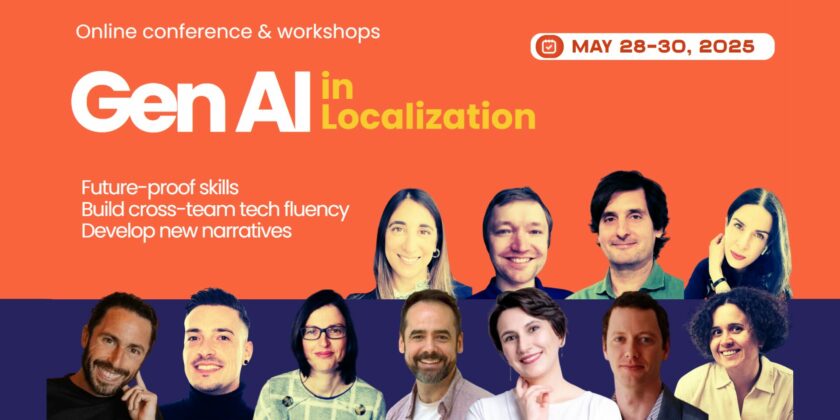
GenAI in Localization Conference Equips Professionals with Forward-Looking AI Skills
Learn how AI is reshaping localization at the GenAI in Localization virtual conference—free keynotes, expert workshops & 20% off code.

Your Guide to 2024’s Rapid AI Developments
This year was marked by relentless technological acceleration driven by artificial intelligence. Veronica Hylak identifies the eight biggest takeaways from 2024’s many AI updates, including their major impacts on data privacy, online search, intellectual property, and energy use.

Three Rules for Integrating Generative AI Into Translation Workflows
Globalization experts from Microsoft share advice for effectively and ethically using generative artificial intelligence for translation and localization. They recommend evaluating cost, speed, and quality when compared to alternative technologies, as well as using context-aware techniques and responsible AI principles to improve translation quality.

The Evolution of Machine Translation: A Brief History and What’s Coming Next
Automated translation technologies have evolved from rules-based and statistical techniques to new approaches based on large language models — delivering increased productivity, reduced costs, and improved consistency.

Resetting the Status Quo: Will We Need a TMS 10 Years From Now?
The question isn’t what will happen to the translation management system (TMS), but more what will happen to money, capital, and the feeling of security. Will tech enable such a societal leap and render our current problems obsolete?