


In February 2025, Meta gave its Ray-Ban smart glasses a serious IQ boost. But in the rapidly evolving world of wearable tech, does that make them the smartest kid in the class—or just the one with flashy sunglasses?
Welcome to the Age of Wearable Babel
Meta’s update means you can walk through an airport, ask “What am I looking at?”, and get an answer—out loud. In multiple languages. From your face.
That’s right: the Ray-Ban Meta smart glasses now support real-time translation in English, Spanish, French, and Italian, using open-ear audio and live captions. Throw in object recognition, AI voice interaction, and the ability to narrate your surroundings like a personal TED Talk, and suddenly your facewear is the smartest thing in the room.
Except, well… don’t get too cozy. Because if there’s one thing this update isn’t, it’s perfect.
Translation or Just Tech Flex?
Reviewers like ZDNet and Android Authority have praised the hands-free translation as “surreal” and “impressively integrated,” with Meta AI giving Siri a quiet side-eye.
But the fairy tale falters when we talk accuracy. Google Translate—with its 130+ supported languages and years of machine learning polish—still delivers more nuance. Idioms, dialects, even sarcasm? Meta’s glasses aren’t quite there yet. (Imagine translating “I’m fine.” with the emotional range of a potato.)
Then there’s the privacy issue: voice data gets stored in the cloud by default. No opt-out. Just a gentle “you can delete it later” tucked in the settings, like a passive-aggressive roommate note.
The Other Players: Smart Glasses You Shouldn’t Ignore
So, if Meta’s glasses are the popular kid with the best brand deal (hello, Ray-Ban), who else is sitting at the smart glasses lunch table?

Chinese-engineered and ultra-immersive, these are more about AR experiences—think video streaming on a 215-inch virtual screen—but they also pack live translation powered by Alibaba AI. Perfect for travelers, tech enthusiasts, and people who’ve already maxed out their VR headset budget.
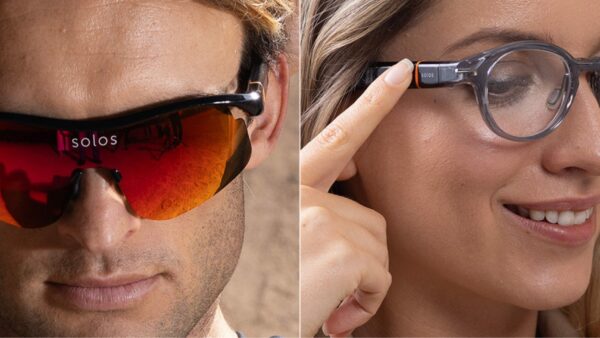
The sporty, no-nonsense cousin of the Ray-Bans. These smart glasses support 25+ languages, are feather-light, and integrate seamlessly with AI voice assistants. They’re for joggers, cyclists, and people who think in to-do lists.

Clunky name, sharp features. These glasses display real-time subtitles on the lens, support over 100 languages, and are a hit among international travelers and tour guides. Think: Netflix subtitles, but for your life.

Design-forward and function-packed. They blend Bluetooth audio, live translation, and a minimalist aesthetic. Great if you want to look chic while mispronouncing “gracias” in 4K clarity.

With 137-language support and ultra-low latency, these glasses are the closest thing to wearing Google Translate on your head. Not the prettiest in the bunch, but definitely the most polyglot.
The Verdict: A Smart Choice?
Meta’s glasses are no longer just about looking good—they’re doing more. From visual recognition to translation, they’re stepping into territory once reserved for sci-fi movies and awkward tech demos.
But are they the best? Not quite. Not yet.
If you need ultra-precise translations, go with your phone. If you want all-day language support in 137 tongues? Amazon might have your ear (literally). If you’re style-first but function-curious? Meta still leads the cool crowd.
So no, Meta’s not the only game in town. But it’s definitely the one making headlines—and that counts for something.


