Propio Earns SOC 2 Type II Security Certification From AICPA

0
Propio SOC 2 certification

AICPA SOC2 Type II certification validates Propio’s unwavering commitment to the safeguarding of sensitive client information and demonstrates its adherence to the strictest data privacy and security practices 

Propio, a leading provider of language solutions for healthcare, government, education, and other industries with highly sensitive data, proudly announces the successful achievement of SOC 2 (Service Organization Control 2) Type II certification. This designation recognizes Propio’s commitment to upholding the highest standards of data security and privacy for its clients.  

Propio’s SOC 2 Type II certification is a result of a thorough and systematic audit conducted by an independent third-party assessor. This audit examined and validated the effectiveness of Propio’s information security policies, procedures, and controls, ensuring they meet or exceed the stringent SSAE 21 SOC 2 Type II criteria as established by The American Institute of Certified Public Accounts (AICPA). 

Propio connects you to anyone in any language through any channel, at any time you need. And Propio’s SOC 2 Type II certification affirms our commitment to safeguarding sensitive information and ensuring the confidentiality, integrity, and availability of our systems that power this connection. Considered the gold standard of data security, the SOC 2 Type II certificate demonstrates Propio’s adherence to the strictest practices and reinforces its position as a trusted partner. 

“We are very pleased with our successful achievement of the SOC 2 Type II certification. It’s one more way for us to demonstrate our uncompromising and ongoing commitment to data privacy and security for our clients,” said Donnie Dooley, Chief Technology Officer at Propio. “This certification reinforces our dedication to meeting the highest industry standards when it comes to data privacy and security and can give our clients the assurances they require,” Dooley said.  

Since Propio is already HIPAA- and FERPA-compliant, as well as HITRUST certified, clients now have added assurance provided by SOC 2 Type II standards. Propio clients can be confident in the knowledge their data is handled with the utmost care and in accordance with the highest security standards.  

About Propio

Propio is one of the largest, industry-leading language solutions partners powered by cutting-edge technology that provides a robust suite of services, including video, phone, and on-site interpretation, as well as translation and localization. Propio serves a wide range of industries including healthcare, education, government, legal, and financial. Additionally, Propio offers an end-to-end resource management platform, Propio Workforce OS®, that can help increase healthcare access and improve healthcare equity. But at the heart of its service offering, Propio connects clients to its network of top-tier linguists who represent more than 300 languages from around the world. And the company now has more than 12,000 client partners, regionally and nationally. 

Propio’s vision is “to eliminate the everyday obstacles of communication using advanced technology.” Propio offers its clients multiple ways to access its secure, multi-platform products and services, including its proprietary app, Propio ONE, and has achieved exceptional remote connection times with clients and interpreters. Propio is the second-largest remote interpretation provider in the world and has been lauded both from within the industry and the business world as one of the fastest growing companies. 

Lionbridge’s Hybrid Edge: Balancing People, Scale, and AI

0
Nimdzi 100: Lionbridge

From translation roots to global reach

According to the 2025 edition of the Nimdzi 100, Lionbridge ranks sixth with reported revenues of $546 million in 2024. Founded in 1996 and headquartered in Massachusetts, the company has grown into one of the largest tech-enabled multi-language vendors (MLVs). Its operations extend to more than 26 countries and are supported by a contributor network of over half a million linguists working in 140+ languages.

Aurora AI and the future of workflows

Lionbridge reports that its current technology strategy centers on Aurora AI™, an orchestration platform designed to automate translation workflows. The system analyzes content and assigns it to the most suitable process, which may involve machine translation, post-editing, or manual translation. Aurora AI is described as engine-agnostic, integrating providers such as GPT-4, Claude, or DeepL depending on the project.

The platform also includes analytics to monitor quality and performance. Through Aurora AI Studio, Lionbridge extends these capabilities to AI training, annotation, and prompt engineering across multimodal content, including video, chat, and image assets. The company presents this as part of its effort to serve not only traditional translation needs but also broader content and AI-related requirements.

Balancing human expertise and technology

Despite the emphasis on automation, Lionbridge continues to rely on human expertise. Its scale allows the company to support industries such as gaming, life sciences, and enterprise technology, where large volumes and rapid turnaround are common. At the same time, human linguists remain essential in contexts where nuance and cultural accuracy are required. This dual approach illustrates how providers are combining automation with human oversight in language services.

Why it matters

The Nimdzi 100 ranking shows how different models are shaping the industry. Lionbridge’s placement at No. 6 reflects the position of companies that operate below the billion-dollar tier yet continue to play a significant role through diversification and technology adoption. More broadly, the ranking highlights an industry that balances tradition with innovation in an environment increasingly influenced by AI.

Oxford Languages and Kielikone to Host Webinar on NLP for Complex Languages

0
Oxford Languages and Kielikone

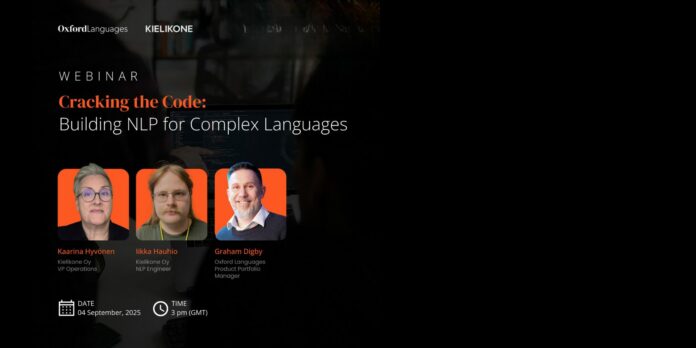
Oxford Languages, a division of Oxford University Press, has announced a new webinar in partnership with Finnish language technology company Kielikone. Titled ‘Cracking the Code: Building NLP for Complex Languages’, the event will take place on Thursday, 4 September 2025, at 3:00 PM BST (UTC+1).

The live session will explore the development of NLP tools for Finnish, a morphologically rich and structurally complex language. Attendees will gain insight into Kielikone’s journey in building AI-powered translation and proofreading solutions, and the broader challenges of developing language models for underrepresented languages.

The webinar will feature expert speakers from both organizations:

Kaarina Hyvönen, VP Operations at Kielikone Oy, brings over three decades of experience in language technology, having led the development of numerous digital language products.

Iikka Hauhio, NLP Engineer at Kielikone Oy and doctoral researcher at the University of Helsinki, specializes in machine translation and computational creativity.

Graham Digby, Product Portfolio Manager at Oxford Languages, will moderate the session. Digby leads Oxford Languages’ New Ventures area, focused on AI and NLP innovation.

Discussion topics will include:
1. Kielikone’s evolution in language technology
2. Building machine translation and proofreading tools
3. The linguistic distinctiveness of Finnish and its impact on NLP
4. Domain-specific datasets and their role in model development
5. Opportunities and challenges in scaling NLP for complex languages

Participants will have the opportunity to submit questions in advance or ask them live during the session. Registration is free and open to all. Those who register will receive early access to the webinar recording before it is made publicly available.

To register, visit here.

About Oxford Languages

Oxford Languages, a division of Oxford University Press, is recognized worldwide for its authoritative dictionaries, linguistic research, and digital language data. Its mission is to advance knowledge and understanding of languages globally.

About Kielikone

Kielikone, founded in Finland in 1990, develops language technology solutions including Sanakirja.org and AI-powered translation and proofreading tools. The company specializes in complex and underrepresented languages.

Francesca Di Marco: Embracing and Leveraging Diverse Communities

0
Francesca Di Marco on Building Global Communities %%sep%% %%sitename%%

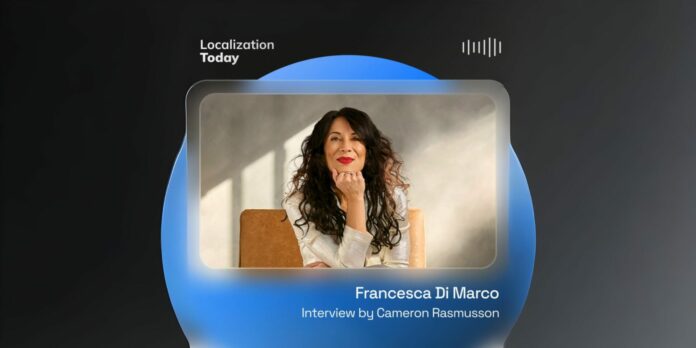
Every great interview feels like a journey that takes you somewhere new with every answer. That’s what listeners get in the March 7, 2025 episode of Localization Today, where host Cameron Rasmusson welcomes Francesca Di Marco, Head of Internationalization at Pinterest. From her upbringing in Italy to her academic work in Japanese history and her leap into the tech world, Francesca’s path is anything but ordinary. She shares how culture, history, and language have shaped her perspective—and how today she leverages all three to build global communities. From the very start, her story is alive with curiosity, resilience, and insight, making this conversation as engaging as it is inspiring.

👉 Don’t just read about it—tune in. You can listen to Francesca Di Marco: Embracing and Leveraging Diverse Communities right here.

From Academia to Tech

Francesca’s journey into internationalization started in unexpected places. Growing up in Italy gave her an early sense of how close—and yet how different—cultures can be. That curiosity deepened when she pursued Japanese history in college, a passion that led her to spend three years living and working in Japan. There she balanced roles as interpreter, translator, and cultural bridge—experiences that sharpened her ability to adapt and to understand what people truly value.

After a decade in gaming and several years teaching at Stanford, she felt a pull toward something more dynamic. The move to tech began at X (formerly known as Twitter), but it was at Pinterest—then a young company with boundless potential—that everything clicked. Francesca not only built and now leads Pinterest’s internationalization team, but she also found the perfect blend of her passions: culture, community, and technology.

Language as a Bridge

At Pinterest, Francesca sees language as the foundation of global connection. Her team ensures the platform resonates across cultures, blending empathy with innovation to reach half a billion users worldwide. From real-time data to large language models, her approach is about making Pinterest feel personal everywhere. The lesson is simple: language can divide, or it can unite—and in Francesca’s hands, it becomes a bridge.

Want more conversations like this one? Discover other episodes of Localization Today on Spotify, Apple Podcasts, or directly at Localization Today online.

Top 5 Organizations Preserving Indigenous Languages in North America

0
A word cloud with names of indigenous languages

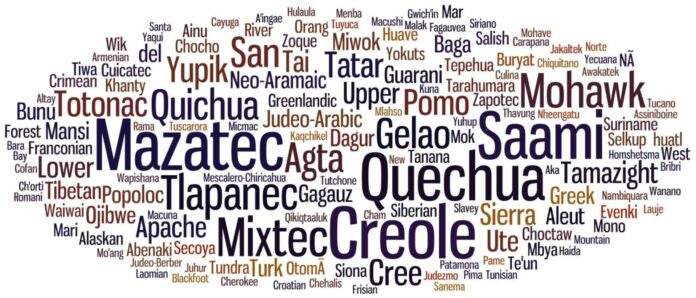
Indigenous people — also called Tribal Peoples, First Peoples, or Native Peoples, depending on the country — make up around 6.2% of the world’s population, or approximately 476 million people, according to the World Bank. In North America alone, there are more than 300 indigenous languages spoken: around 176 in the United States (US), 70 in Canada, and 1 in Greenland. However, these languages face an uncertain future. The United Nations (UN) Permanent Forum on Indigenous Issues (UNPFII) warns that the global rate of language extinction currently sits at an alarming one indigenous language every two weeks.

The threat of disappearance underscores the importance of undertaking revitalization and preservation efforts before it’s too late. This article highlights five organizations in North America that are leading the way towards the successful restoration and preservation of indigenous languages and cultures.

1. Cultural Survival  

Established in 1972, this Massachusetts-based non-profit organization is one of the continent’s longest-standing establishments for the advocacy of indigenous peoples. Cultural Survival’s primary mission is to educate, empower, and advocate for their legal rights, including the freedom to speak their native language(s). The organization molds its strategic framework around current issues and goals as they evolve, revising it on a quadrennial basis, helping to ensure best practices and guidance for indigenous communities. Most notable are the organization’s diverse efforts — such as grantmaking, communication, and capacity building — to significantly increase public awareness and support. Example initiatives include Human Rights Defenders Training, Cultural Survival Quarterly magazine, Cultural Survival Bazaar festival, and Indigenous Rights Radio. Not only does the organization advocate for preservation of indigenous languages domestically, but also for justice on a global scale, making it a valuable player in the fight against language extinction.

2. First People’s Cultural Council (FPCC)

Located in the heart of Canada’s British Colombia, the FPCC is a one-of-a-kind Crown Corporation originally created by the provincial government in 1990 through the First People’s Heritage, Language and Culture Act. FPCC assists First Nations in the province in their efforts to revitalize their languages, arts, cultures, and heritage. The organization supports 204 First Nations communities covering 36 languages and 90+ dialects. For the 2023-24 fiscal year alone, the organization invested $48.6 million to support programs in these communities, along with a reported $35.6 million specifically dedicated to funding language revitalization efforts. The FPCC has a strategic partnership with the Endangered Languages Project team at the University of Hawai’i at Mānoa and also has a position on the Governance Council. 

3. Indigenous Language Institute (ILI)

Based out of Santa Cruz, New Mexico, the ILI is best known for its remote, yet hands-on approach to intergenerational language revitalization efforts. Founded in 1992, this non-profit organization creates tailored workshops and hands-on training, as well as hosts the ILI Symposium, all of which are focused on ensuring that indigenous languages are kept alive through active daily use by every generation. The organization prioritizes a critical yet often overlooked aspect of indigenous language revitalization: learning directly from older generations through collaboration and community empowerment. The ILI serves indigenous communities not only within New Mexico, but also in all 50 US states, making it a true national effort for preservation.

4. The Language Conservancy (TLC)

With two decades of service, this Indiana-based non-profit organization is an exceptional treasure trove for indigenous language education. TLC is best known for developing educational resources and providing training that increases community engagement and makes languages easily accessible. Since 2005, TLC has been led by indigenous educators and activists who strive to make learning indigenous languages as commonplace as learning any other language.

The organization offers multiple methods for bringing about public awareness and training the next generation of linguists. However, its superpower comes from its consultative status with the UN Economic and Social Council (ECOSOC) — a credential very few indigenous organizations have achieved, as it is uncommon among North American language groups. With this title, TLC is able to participate in UN conferences, contribute to policy discussions on a global scale, and collaborate on indigenous issues beyond the continental border. The organization’s successful efforts have led it to be able to actively support 47 distinct indigenous languages across its educational materials, and 50 through strategic funding efforts and technical assistance within indigenous communities. 

5. Native Language Immersion Initiative (NLII)

The NLII was established in 2017 by the First Nations Development Institute as a way to offset the growing number of indigenous languages losing native speakers in North America by establishing infrastructure and models for native language immersion programs. While the First Nations Development Institute strictly focuses on improving economic conditions for Native Americans, the NLII was designed to focus on those linguistic aspects not already covered. Headquartered in the US state of Colorado, the initiative proved to be more than just a one-time investment project like it was originally intended to be, and has successfully been able to continue this critical work through generous funding from high-stakes institutions such as Wells Fargo and the National Endowment for the Humanities. The NLII has made a name for itself by focusing on inviting curiosity from outside of the indigenous community to truly understand the inner-workings of such an initiative that relies on collective community effort to succeed. The organization provides resources for both current and potential investors, providing education on why these initiatives are critical to the survival of indigenous languages.

Perspectives on Business Development in Language Services From Industry Veteran Virginia Virino Jódar

0
Virginia Virino Jódar

Virginia Virino Jódar has spent many years honing her craft as a business development manager and sales executive for language service providers (LSPs) like SeproTec, Linguaserve, and Pangeanic. Here, she argues that adaptability, collaboration, and integrity are crucial to success in a competitive landscape.

Why do you enjoy reading MultiLingual magazine?

For me, it’s the way every article is thoughtfully contextualized and accompanied by photos, graphics, and charts — even the advertisements feel like an integral part of the content. The magazine combines this with incredibly diverse material, bringing together multiple perspectives from across the translation community. That variety of voices offers an enriching view of our sector.

The layout also stands out — it’s not just about the information but the experience of reading it. Each issue feels like an invitation to slow down and explore, page by page, uncovering stories, curiosities, and insights about localization, translation, and interpreting. From the covers to the fonts, everything enhances the content. Plus, I’m a big fan of the digital version — it’s practical and just as engaging!

How did you get involved in the translation business?

By sheer chance — that’s how I stumbled into the expansive and intricate “translation and localization industry.” However, my connection to language goes back further. I studied journalism, founded a modest local newspaper, and have always thrived in communication-driven environments.

I owe so much to the extraordinary group of linguists, technicians, IT support, data scientists, translators, and the team in Japan who worked on our services in Asia. Thanks to my management’s decision to partner with the business-to-business (B2B) marketing agency Connext and my invaluable colleague, digital marketing specialist Aurora Ramírez, we managed to build connections in a very complex market. At that time, they taught me a completely new approach — not only to sales processes, but also to managing marketing strategies. These professionals, each excelling in their area, taught me everything I know about both traditional translation and technology-driven language services.

My next two roles in the sector taught me so much about the importance of methodology, and to have a close collaboration with every department involved in the service chain. For a business development manager (BDM) in this industry, fostering a positive work environment is crucial; one way or another, it always shows in how clients perceive the final work.

Since you entered the translation industry, how has the business landscape changed?

The world has changed dramatically since late 2019; the transformation has been a revolution. The pandemic, coupled with ongoing globalization, has cemented technology’s role in tools, workflows, and even the visions that guide us. This has undoubtedly reinforced the crucial role of integrated digital marketing frameworks in business development and sales.

I firmly believe there is significant demand in the industry, although the processes for acquiring and maintaining client portfolios have evolved from traditional models. The market is increasingly competitive, but LSPs play a fundamental role in educating their audiences through communication. These opportunities are lost if we fail to connect with clients effectively, building global reach, while adapting to diverse audiences. For me, there’s no innovation without leadership and credibility.

That said, I find the vocation of those in this field timeless and deeply inspiring. It is amazing to see the pride and passion of LSP professionals, from CEOs to project managers. Perhaps it’s because language professionals are often idealists. The sense of belonging and commitment I’ve observed is a testimony to the resilience and adaptability of this industry.

Could you share your experience working with your first client or on your first project?

I had to adapt quickly, juggling dozens of clients simultaneously. In localization, every project demands precision and a tailored approach — no two are alike. Language nuances, specialized content, and unique client expectations mean starting from scratch each time.

I’ve had client requests that seemed almost impossible at first glance. But with teamwork, talent, and rigorous planning, the difficult becomes achievable, and those solutions lead to satisfied clients who feel valued. That’s the magic of delivering results through effort and shared expertise — from management to the last translator.

Early on, I managed sales while overseeing sales-related marketing initiatives. Beyond managing client portfolios or exploring new market niches, I introduced tools, updated pricing models, and streamlined processes to enhance responsiveness and value. For instance, we launched annual subscriptions to our machine translation (MT) platform and document anonymization services, offering competitive, high-quality solutions.

Attending my first event in Zurich, followed by Web Summit in Lisbon, was transformative.

Packaging services for diverse audiences taught me the importance of adaptability. The technology driving linguistic solutions was still maturing, and skepticism lingered within the industry. Later, I joined a company that had been a client. Their recognition of my work and trust in integrating me into their team remains a career highlight. It is a reminder of the value of collaboration and integrity in a competitive landscape.

Do you believe it’s a good time to enter the translation business?

It’s hard to say. Perhaps this very uncertainty is what defines the current state of the industry. While many sectors capitalize on change to foster stability, the translation industry is grappling with rapid advancements and evolving expectations.

Translation has been a human necessity since ancient times, as evidenced by the translation of religious texts thousands of years ago. Today, technology plays a central role, but it’s not the sole factor. I’ve seen professionals transition into roles like prompt engineers, yet the key lies in diversifying offerings and embracing innovation within language services.

Marketing has to be one of the most valuable tools for any LSP. Like other highly segmented sectors, understanding the role of marketing can drive the prominence of language services in global communication.

Where do you see yourself professionally in the next 10 years?

In today’s landscape, we’re all juniors in embracing new trends and seniors in applying our accumulated experience. I hope to contribute to a forward-thinking company that values versatility — a team that combines curiosity with expertise to tackle challenges, implement innovative tools, and manage projects under tight deadlines.

What predictions do you have for the future of the translation industry?

I prefer focusing on the present to build a sustainable future rather than making predictions. However, I firmly believe that skilled professionals are as essential in sales as they are in project management or human resources. Selling something as invaluable as communication requires credibility and expertise. Sales and marketing teams need robust tools — customer relationship management systems (CRMs), analytics, and adaptable strategies — to seize business opportunities tied to language. While technology enhances efficiency, the real differentiator will always be the “professional in the loop.”

Smartling Launches MCP Server — Redefining How Enterprises Automate and Scale Localization

0
Smartling introduces its MCP server, enabling seamless AI-powered translation directly within existing workflows like Claude Code and Visual Studio Code.

Smartling, the LanguageAI™ translation company, today announced the launch of its Model Context Protocol (MCP) server; enabling software engineers, product managers, and content teams to access Smartling’s industry-leading translation capabilities directly within any MCP-compatible AI platform—such as Claude Code, Visual Studio Code, and Cursor—without leaving their existing workflows.

The MCP standard, developed by Anthropic, provides a universal way for AI assistants to connect securely with external systems. Smartling’s MCP server acts as a bridge between AI tools and Smartling’s translation platform, delivering high-quality, on-brand translations that leverage customers’ translation memories, glossaries, and style guides. The result is faster, more accurate translations without the friction of switching applications or managing extra logins.

With initial support for both text and file translation, the Smartling MCP server uses Smartling’s MT API to route requests through a customer’s preferred neural machine translation (NMT) engine or large language model (LLM). The MCP server can also be embedded in agentic workflows to enable AI agents to translate content. By enhancing translations with assets like your Smartling glossary, it ensures brand consistency and higher-quality output than generic LLM translations.

“Our MCP server is another step toward enabling our customers to integrate AI Translation within their business,” said Bryan Murphy, CEO of Smartling. “AI is transforming the way teams build and ship products, but translation still needs context, quality controls, and brand alignment. With the Smartling MCP server, your translation AI becomes a native part of your existing tech stack. No more one-off integrations, no more copy-paste. Every content system, every channel, every market—connected automatically, managed centrally, delivered faster.”

The MCP server is part of Smartling’s broader push to power the future of localization, building on its award-winning AI Translation capabilities that combine the best of LLMs, NMT, and human expertise. Now, customers can unlock Smartling’s quality, scalability, and ease of use without disrupting their existing AI-driven workflows.

Smartling’s MCP server is available today. For more information, visit www.smartling.com.

About Smartling

Smartling’s LanguageAI™ platform is revolutionizing digital content translation and localization. Recognized as the top translation management system by CSA Research and G2 users, Smartling uses AI and machine learning to eliminate manual tasks, integrate with existing techstacks, and deliver translation quality at scale—all at a fraction of the cost and turnaround time of traditional translation.

Smartling is the platform of choice for hundreds of B2B and B2C brands, including IHG Hotels & Resorts, Shopify, Pinterest, State Farm, British Airways, and Lyft. Smartling is a global team headquartered in New York City with an office in Dublin.

Welocalize and Duke University Launch LangMark Dataset for Post-Editing

0
LangMark dataset

At the 63rd Annual Meeting of the Association for Computational Linguistics (ACL 2025), Welocalize and Duke University unveiled LangMark, a multilingual dataset designed to advance research in automatic post-editing (APE) of neural machine translation (NMT). With more than 200,000 human-annotated samples, LangMark is one of the largest resources of its kind and aims to become a new benchmark for evaluating how effectively large language models (LLMs) can refine machine-translated text.

LangMark includes 206,983 triplets — each composed of a source English segment, an NMT output, and a human post-edited version. The dataset spans seven languages: Brazilian Portuguese, French, German, Italian, Japanese, Russian, and Spanish. Professional linguists with subject-matter expertise performed the annotations to ensure accuracy and domain relevance.

Much of the content is drawn from marketing documents, making the dataset highly representative of real-world business communication. According to the authors, this context reflects practical use cases where terminology, tone, and audience appropriateness matter as much as literal correctness.

Why Post-Editing Still Matters

Machine translation (MT) has become increasingly accurate with the rise of large transformer-based models and the integration of LLMs. Yet errors persist. Translations may be technically correct but contextually wrong — for example, rendering “our people” in Spanish as “our nation” instead of “our staff.” APE addresses this gap by correcting MT output to professional standards without requiring full human retranslation.

Previous datasets, such as SubEdits or WMT APE collections, were limited in scale or language diversity. LangMark hopes to distinguish itself as a multilingual, large-scale, human-annotated corpus for both industry and academia.

Benchmarking LLMs

Using LangMark, the researchers tested commercial systems and LLMs under a consistent experimental setup. Results showed that GPT-4o achieved the strongest improvements, particularly in Japanese and Russian. Open-source models like Qwen2.5-72B also delivered competitive results, sometimes outperforming larger proprietary systems.

However, most models struggled with a fundamental challenge: deciding when an edit is necessary. Conservative models, which made fewer changes, often outperformed aggressive ones that introduced unnecessary edits. This highlights a need for evaluation metrics that account not just for accuracy but also for editing behavior.

Implications for the Industry

For the localization sector, LangMark offers a way to evaluate whether systems can meet the nuanced demands of professional translation. By releasing the dataset publicly, Welocalize and Duke University want to encourage wider collaboration between academic researchers and language service providers.

The dataset also emphasizes the growing role of LLMs in translation workflows. While models can already rival or surpass MT in some areas, human judgment remains the gold standard. LangMark helps measure how close machines are to replicating that judgment — and how far they still have to go.

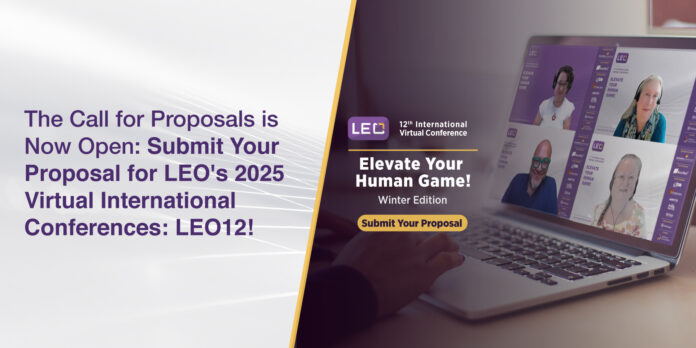
Submit Your Proposal for LEO’s 12th International Virtual Conference!

0
LEO International Conference

Why Speak at LEO’s Conferences?

Since launching our inaugural event in 2020, LEO’s biannual conferences have become a vital platform for professionals to share knowledge, exchange ideas, and explore the latest trends shaping the language industry. We’re always looking for dynamic and passionate experts like you to inspire, educate, and empower our community of language professionals.

2025 Theme: “Elevate Your Human Game!”

We’re inviting proposals for presentations, panel discussions (you’re welcome to suggest co-panelists), and interactive workshops that align with this empowering theme. Share your unique perspective, insights, and creativity to help attendees thrive in their careers, education and life.

Suggested Topics

  • The Human Advantage in the Age of AI

  • Enhancing Mental Performance and Resilience

  • The Business of Language: Thriving as a Professional

  • Human-Centered Communication in Critical Settings

  • War and Conflict Interpreting

  • Interpreting for Human Trafficking Cases

  • The Power of Collaboration and Networking

  • Web Accessibility

  • Skill-Building for the Future

  • Innovations and Challenges in ASL Interpreting: Meeting the Needs of a Diverse Deaf Community

These are just suggestions — feel free to propose your own unique ideas that align with the conference’s mission: to empower and elevate language professionals.

How to Submit Your Proposal

If you have expertise in any of the topics above or another relevant area, we encourage you to submit your proposal for consideration.

Deadline: September 25, 2025
Submission Form below

Be a Part of LEO’s Tradition of Excellence

LEO’s conferences are renowned for fostering collaboration, driving innovation, and providing a platform for meaningful conversations in the language industry. You’ll have the opportunity to shape the future of our field and connect with language professionals worldwide.

Whether you’re an experienced presenter or exploring new ways to contribute to the fields of language access, interpreting, or translation, we want to hear from you! LEO12 brings together professionals from around the world for two days of learning, growing, and connecting.

We look forward to reviewing your proposals and welcoming you to our event.
Click here to view feedback from our most recent conference.
Let’s elevate the profession together!

👉 To submit your proposal and view full details, please visit:
https://linguisteducationonline.com/proposalsleo/