


When tech giants compete, users win—especially when it comes to breaking language barriers. With the rise of on-device AI, both Samsung and Apple are now offering sophisticated language translation tools. But while Apple’s latest announcement of “Apple Intelligence” made waves at its recent keynote, Samsung has quietly been leading the race with a suite of real-time, multilingual tools already in action.
Samsung Galaxy AI: Practical, Powerful, and Multilingual
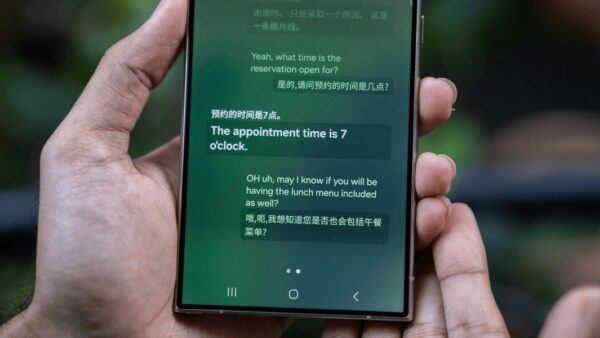
Samsung’s Galaxy AI has been quietly setting a high bar in the mobile translation space. The standout feature? Live Translate, which enables real-time, bidirectional translation during phone calls—a game-changer for cross-lingual communication. Users simply make a call, speak in their own language, and see live on-screen translations. Better yet, this works offline, as long as language packs are downloaded in advance.
Galaxy AI also includes:
-
Interpreter Mode for in-person conversations with split-screen translations.
-
Chat Assist to translate and tone-check messages.
-
Transcript Assist converts voice recordings into multilingual summaries.
-
Circle to Search, which translates anything circled on-screen, even from images or videos.
All these tools are embedded in the Galaxy S24 series and newer, emphasizing offline functionality and accessibility across 13 languages (and counting).
Apple Intelligence: Seamless and Privacy-First
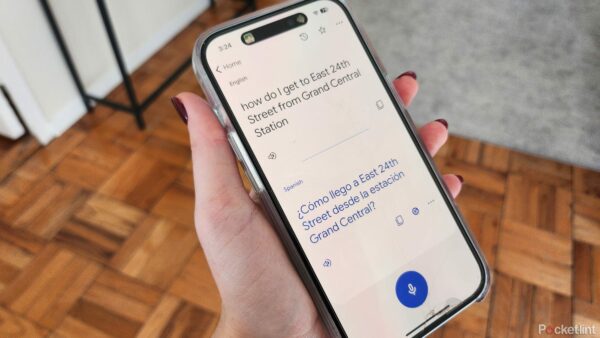
Apple’s new “Apple Intelligence” suite takes a different route. Instead of flashy features, it focuses on seamless integration and user privacy. The Translate app now supports real-time translation for both voice and text, featuring a conversation mode similar to Galaxy’s Interpreter.
More notably, Apple has embedded translation features directly into its operating system—allowing any visible text to be translated on-screen. This, combined with tight Siri integration and selective use of ChatGPT’s GPT-4o (with user consent), reinforces Apple’s privacy-first approach. Most of the processing happens on-device, and anything sent to the cloud is anonymized and encrypted.
What’s Missing? Apple still doesn’t offer real-time phone call translation or transcript tools. For now, those are uniquely Samsung advantages.
The Verdict: Use Case vs. Ecosystem
If your priority is real-time versatility—especially for travel, international calls, or multilingual work—Samsung Galaxy AI has the upper hand. But if you’re already deep in the Apple ecosystem and value privacy and ease of use, Apple Intelligence delivers a smooth, integrated experience.
As language access becomes a key differentiator in mobile AI, both companies are pushing the limits. The future of translation tech is no longer in the lab—it’s in your pocket.


