

MAGAZINE

#213 – March
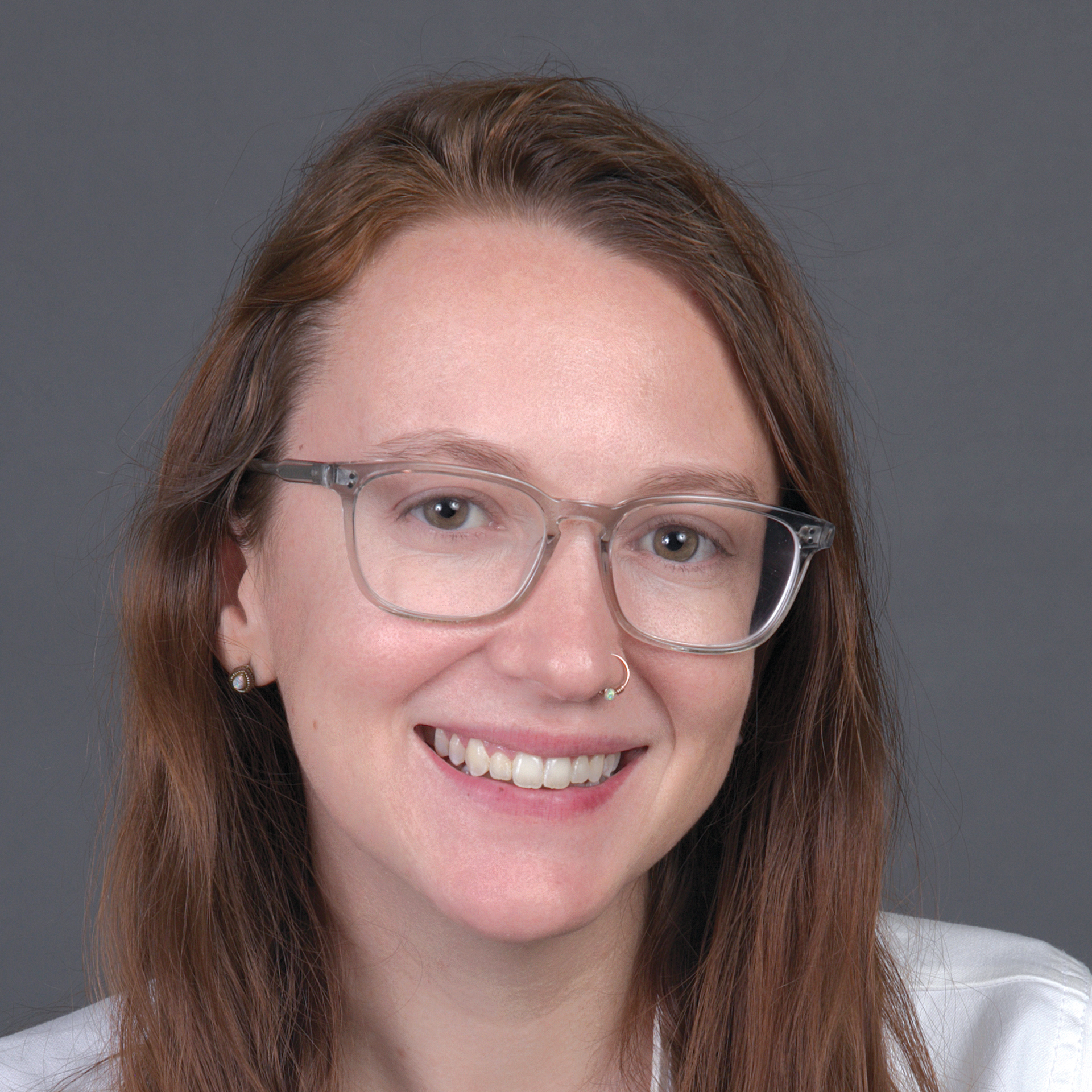
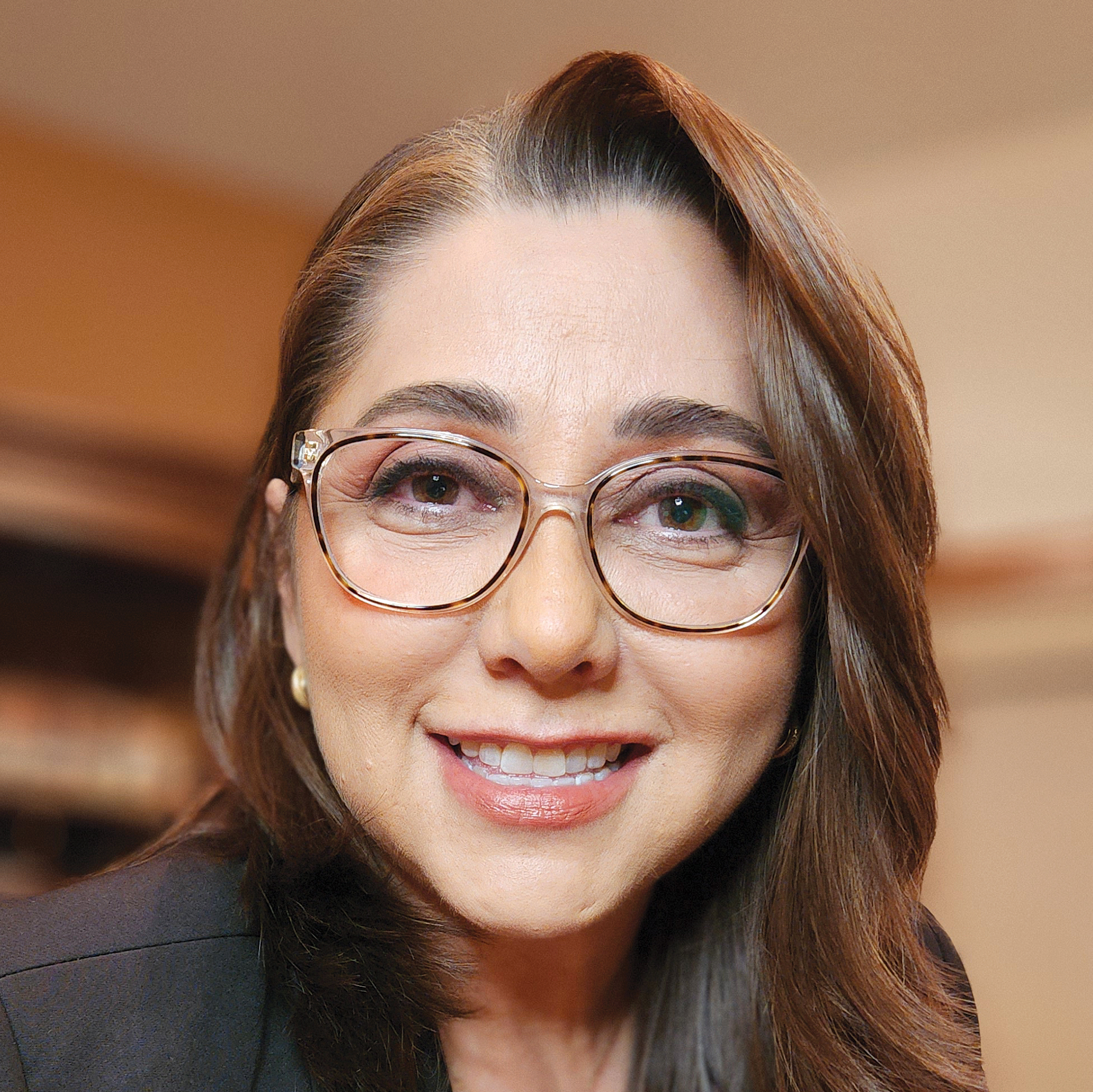
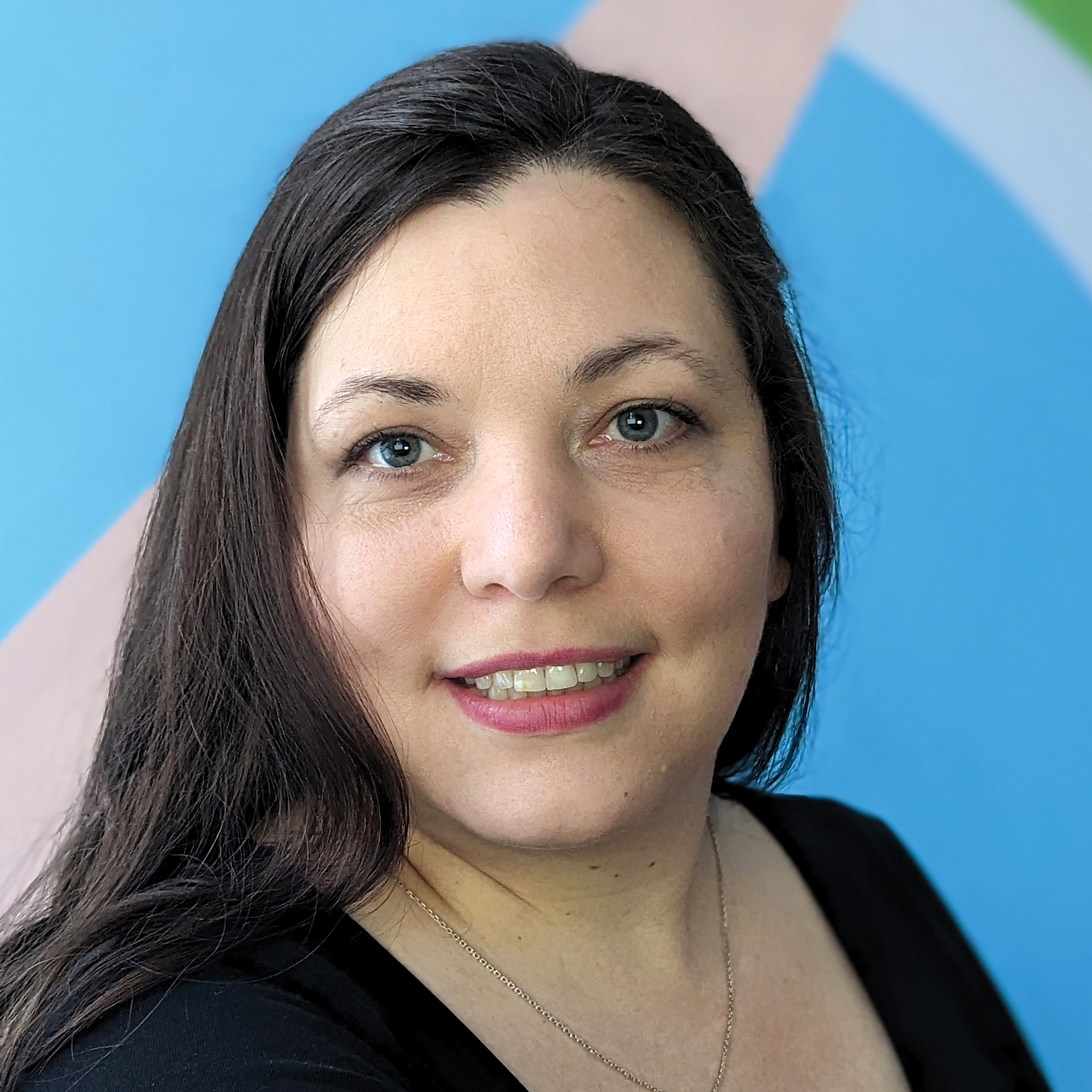
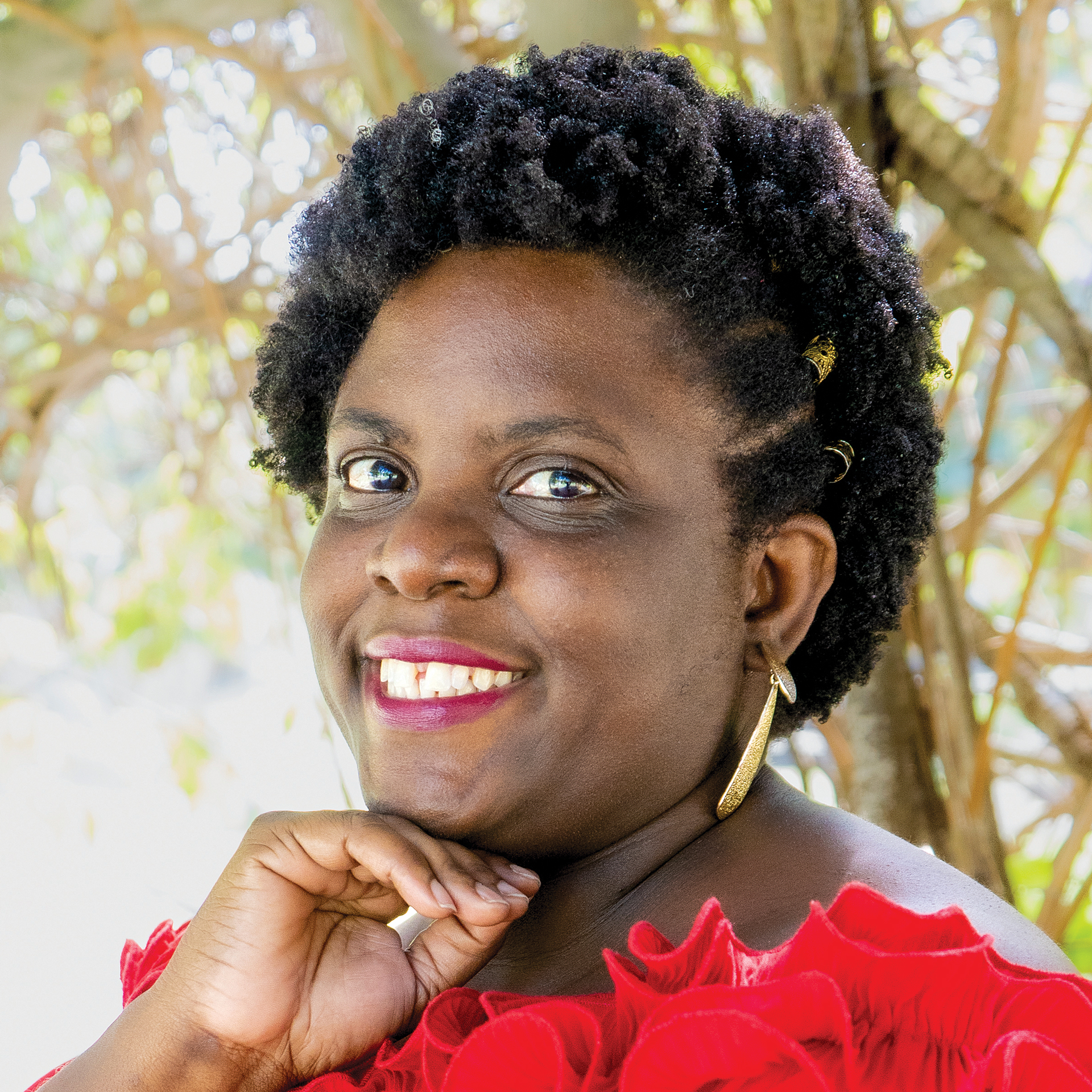
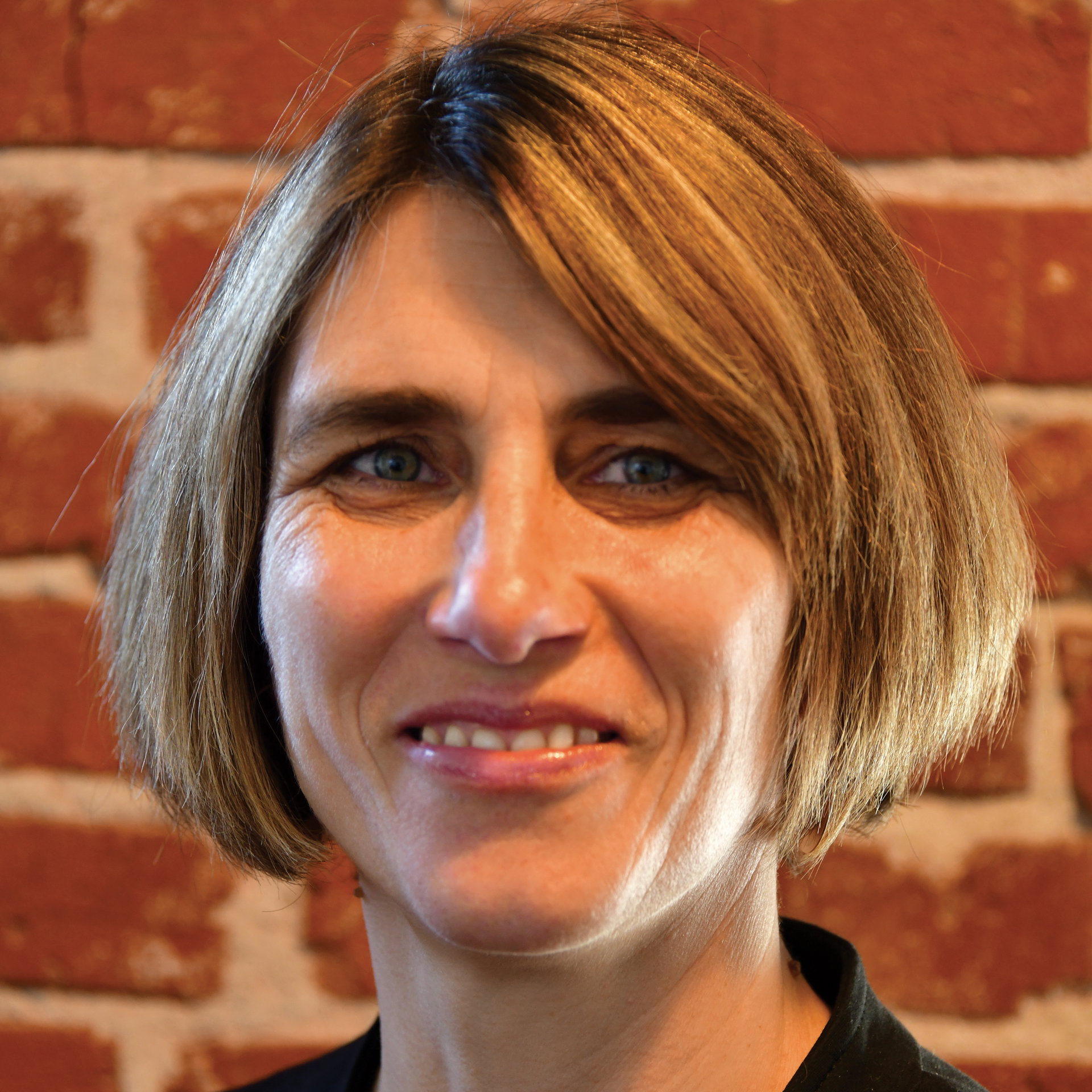
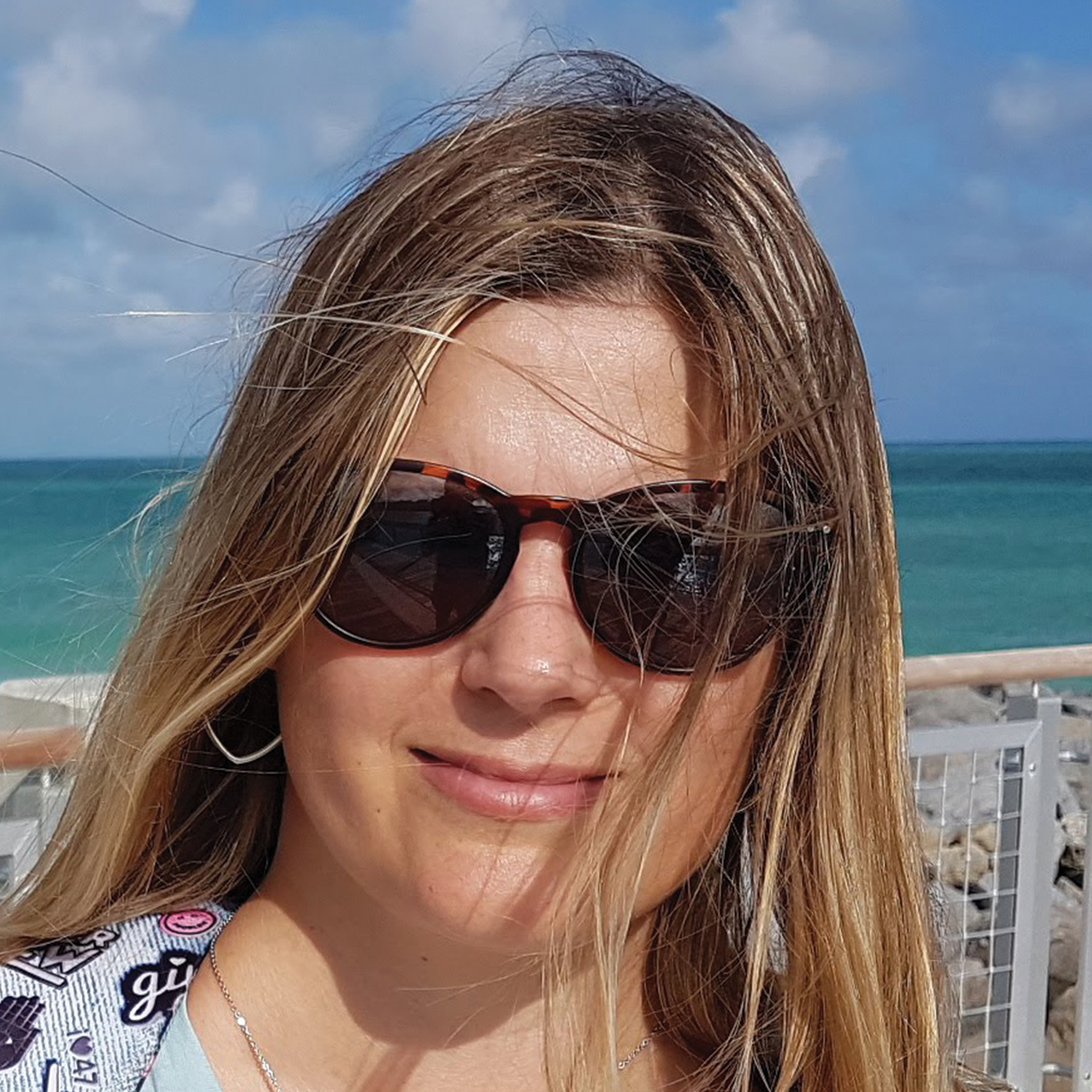
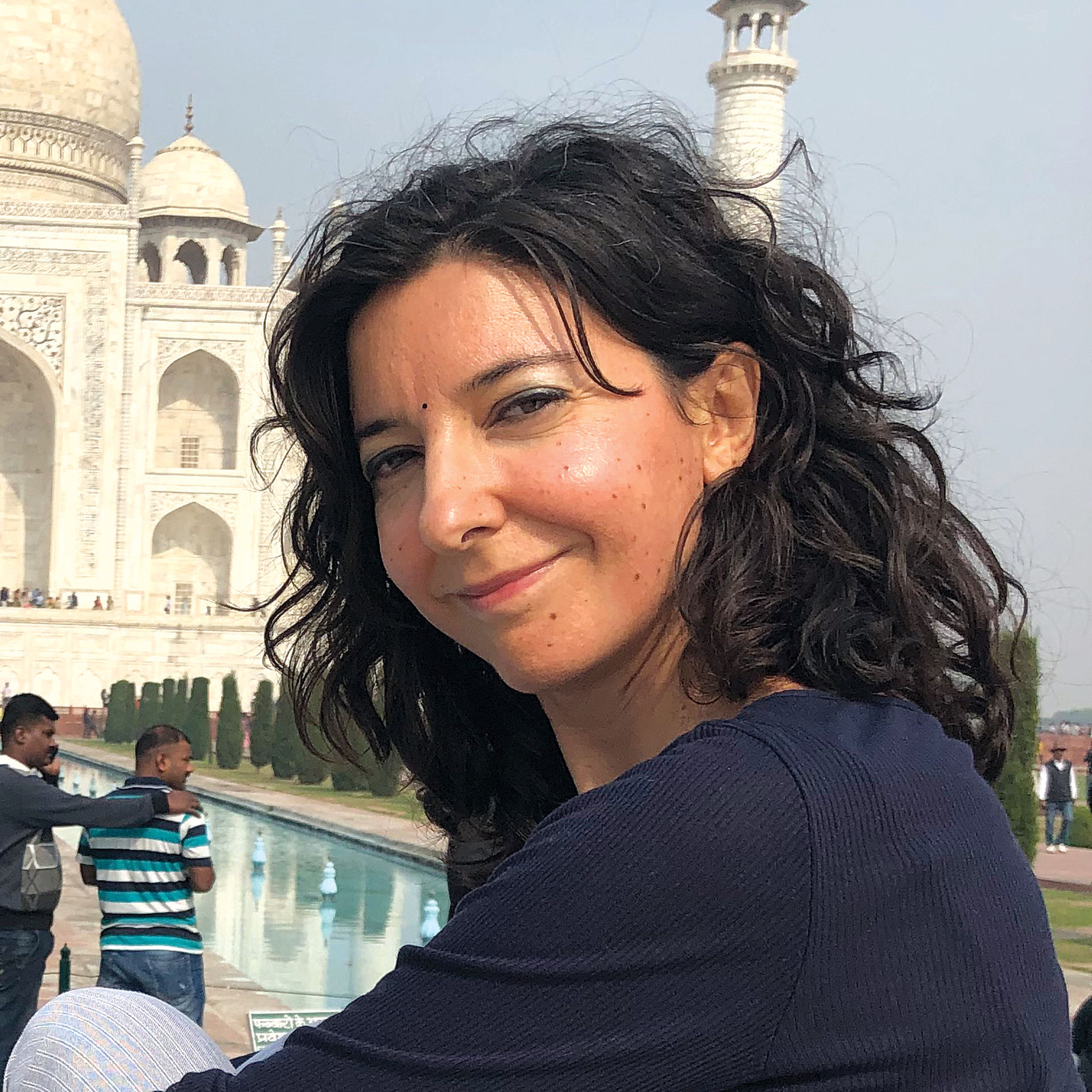
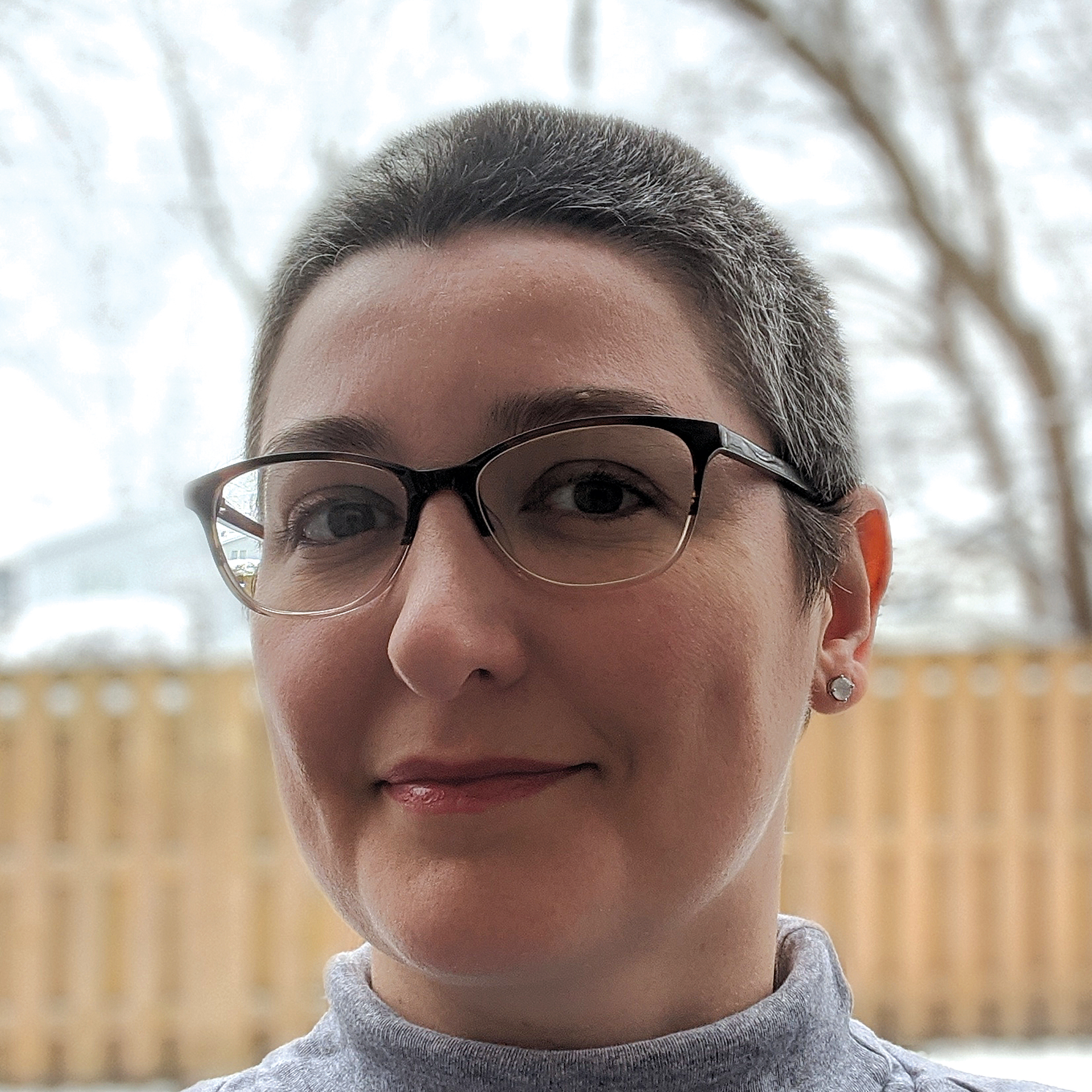
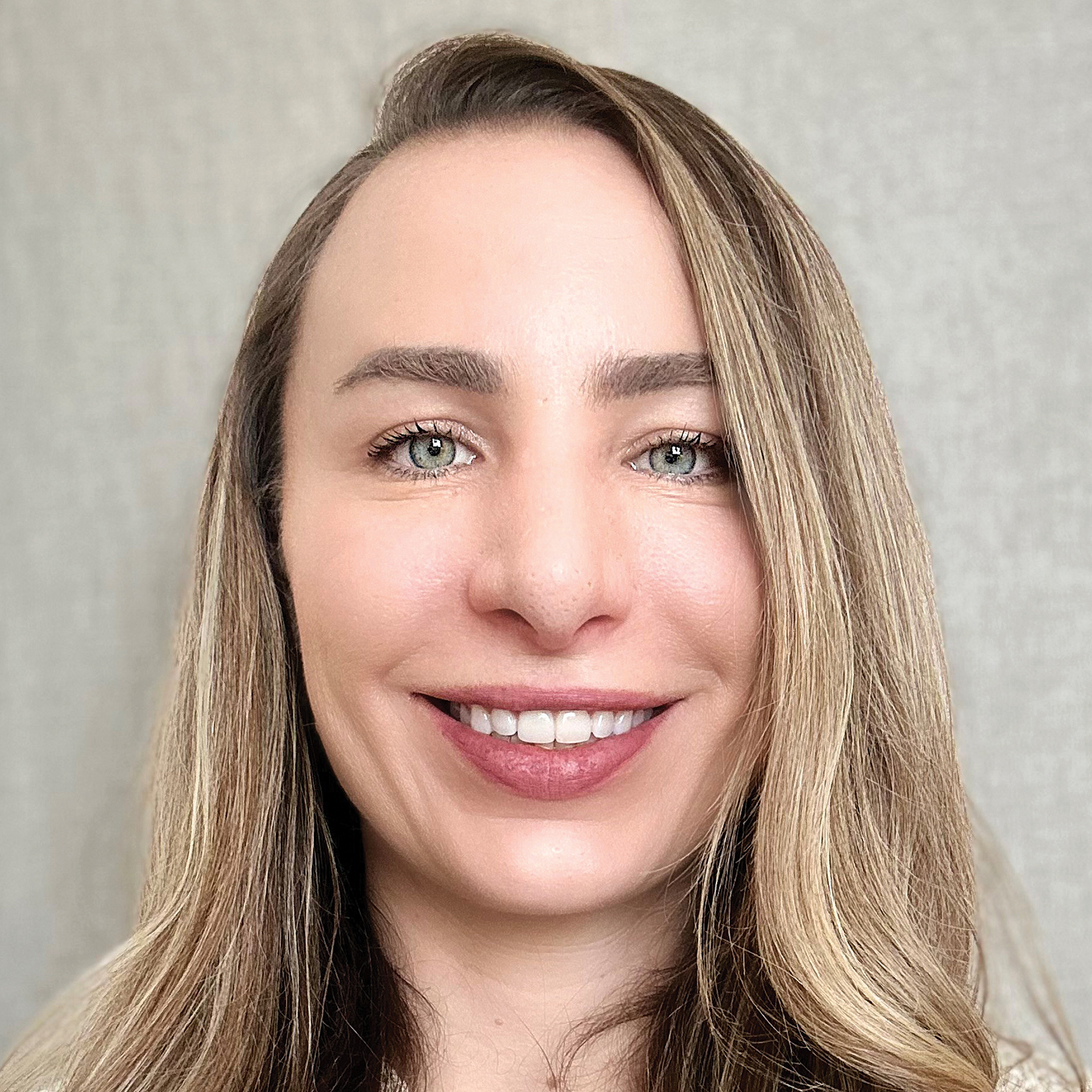
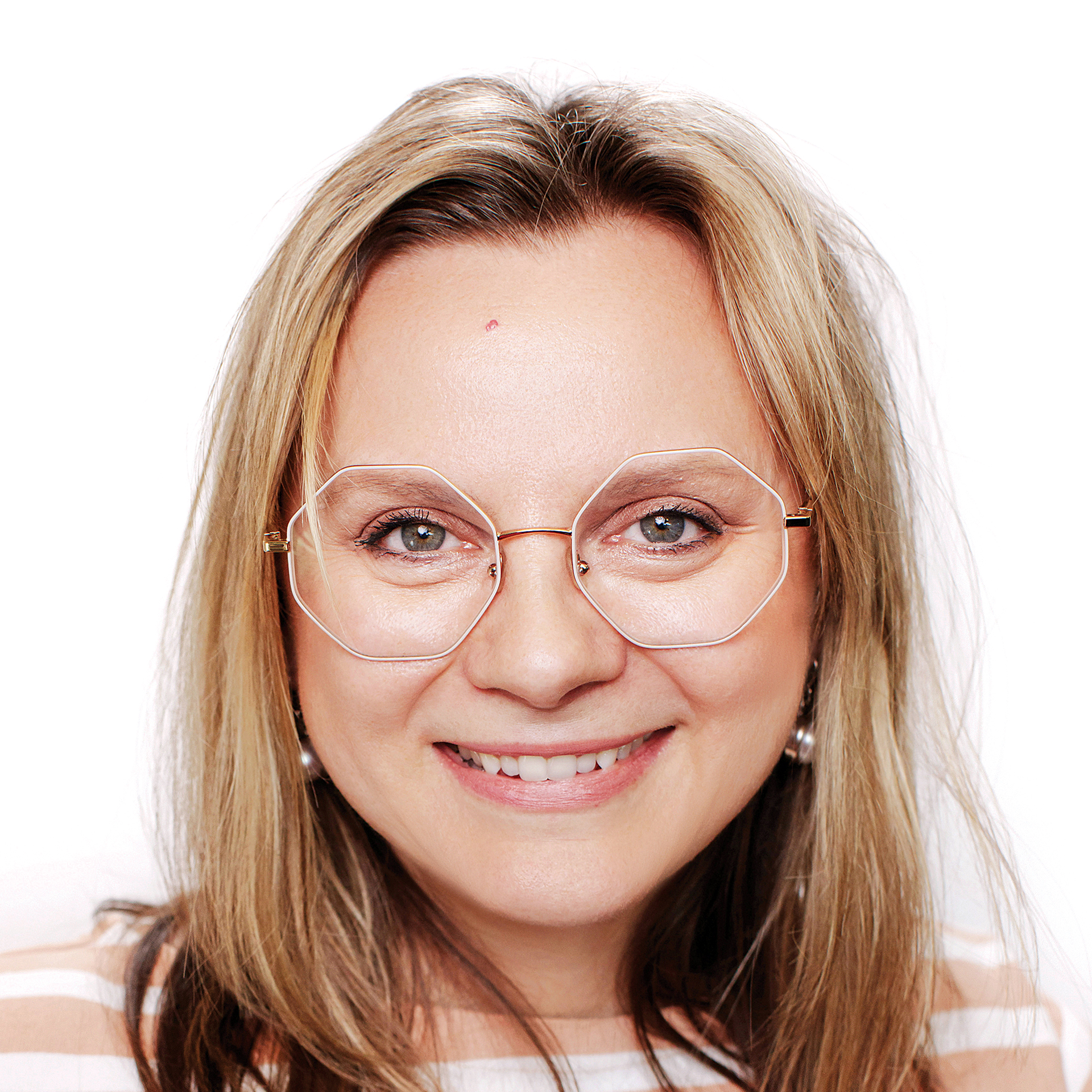
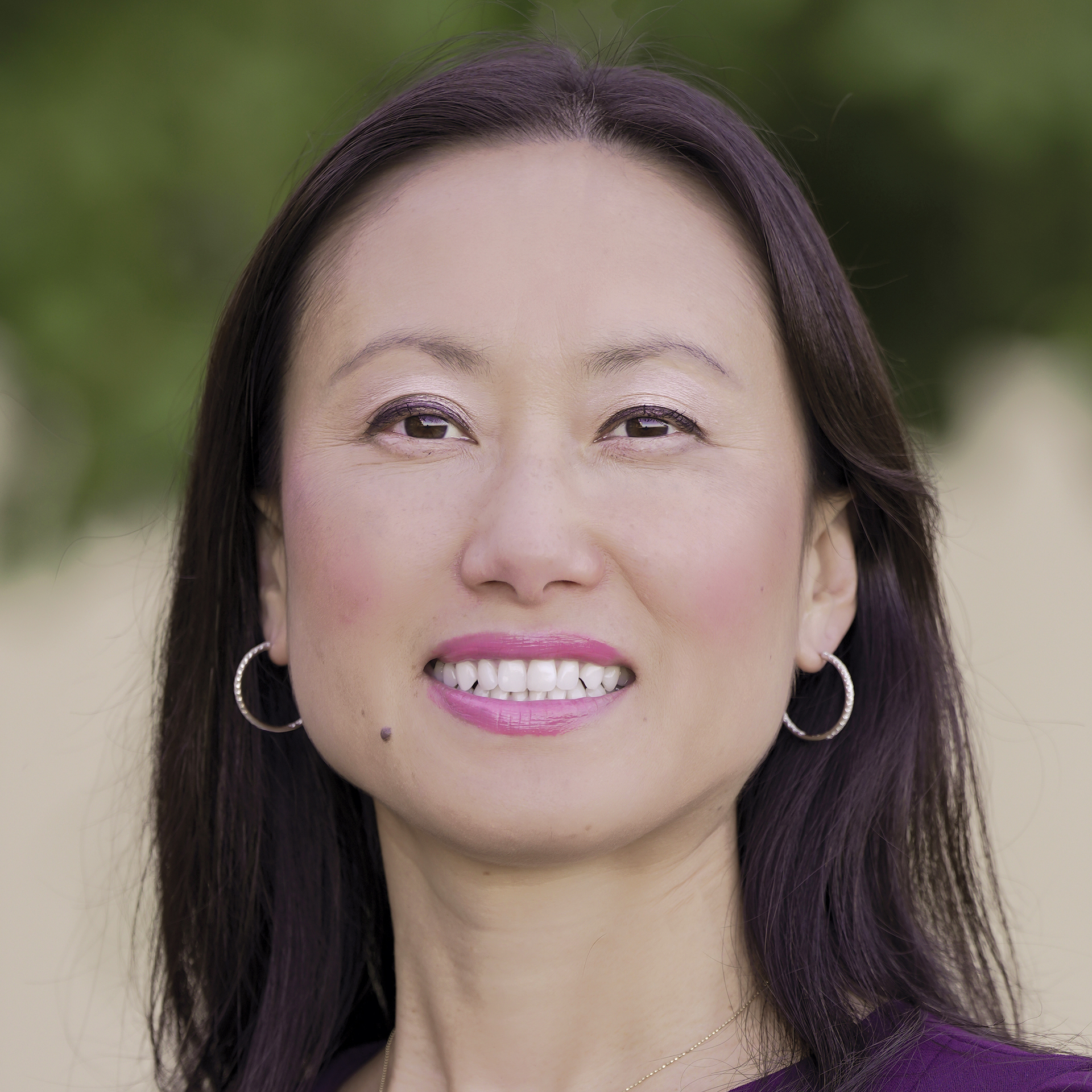
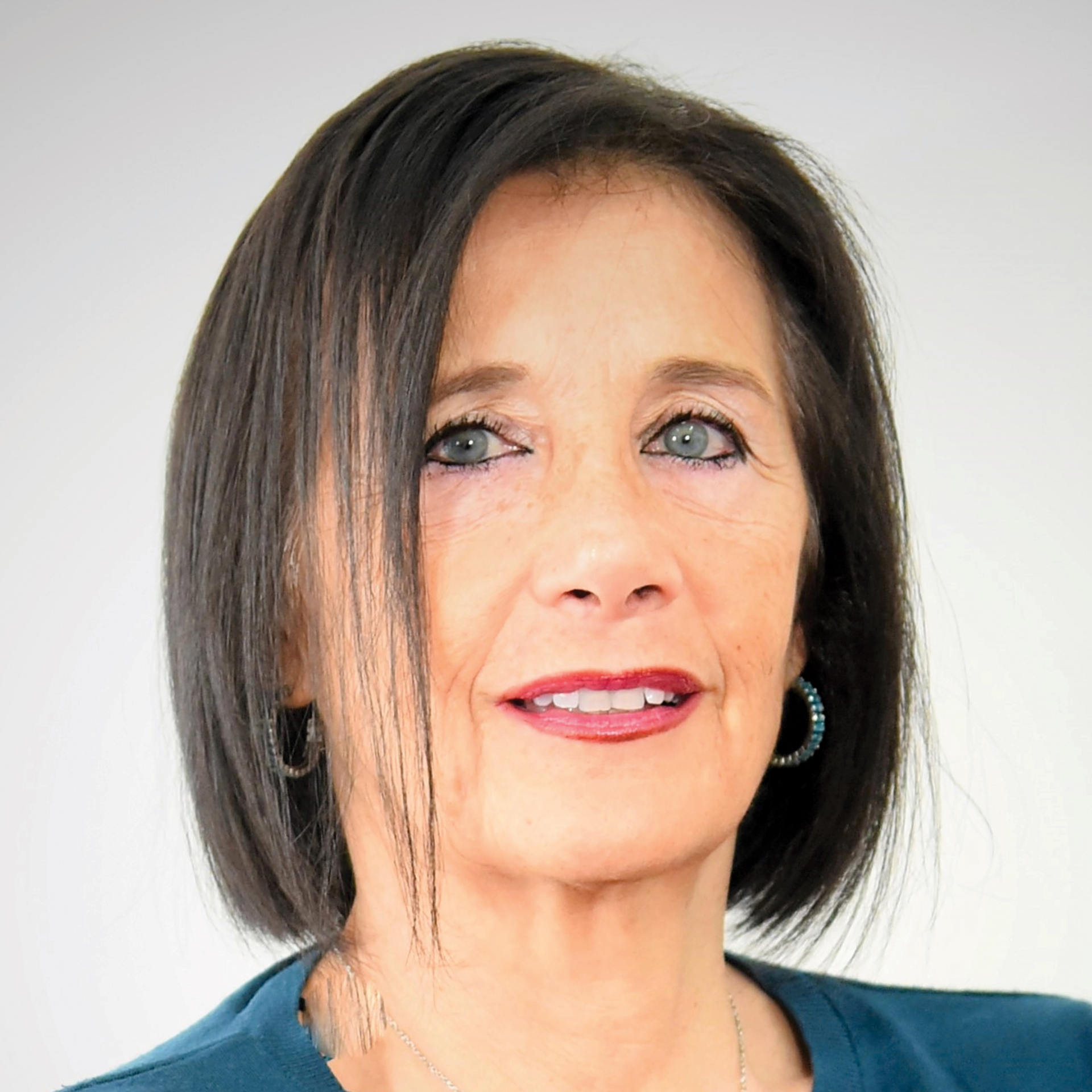
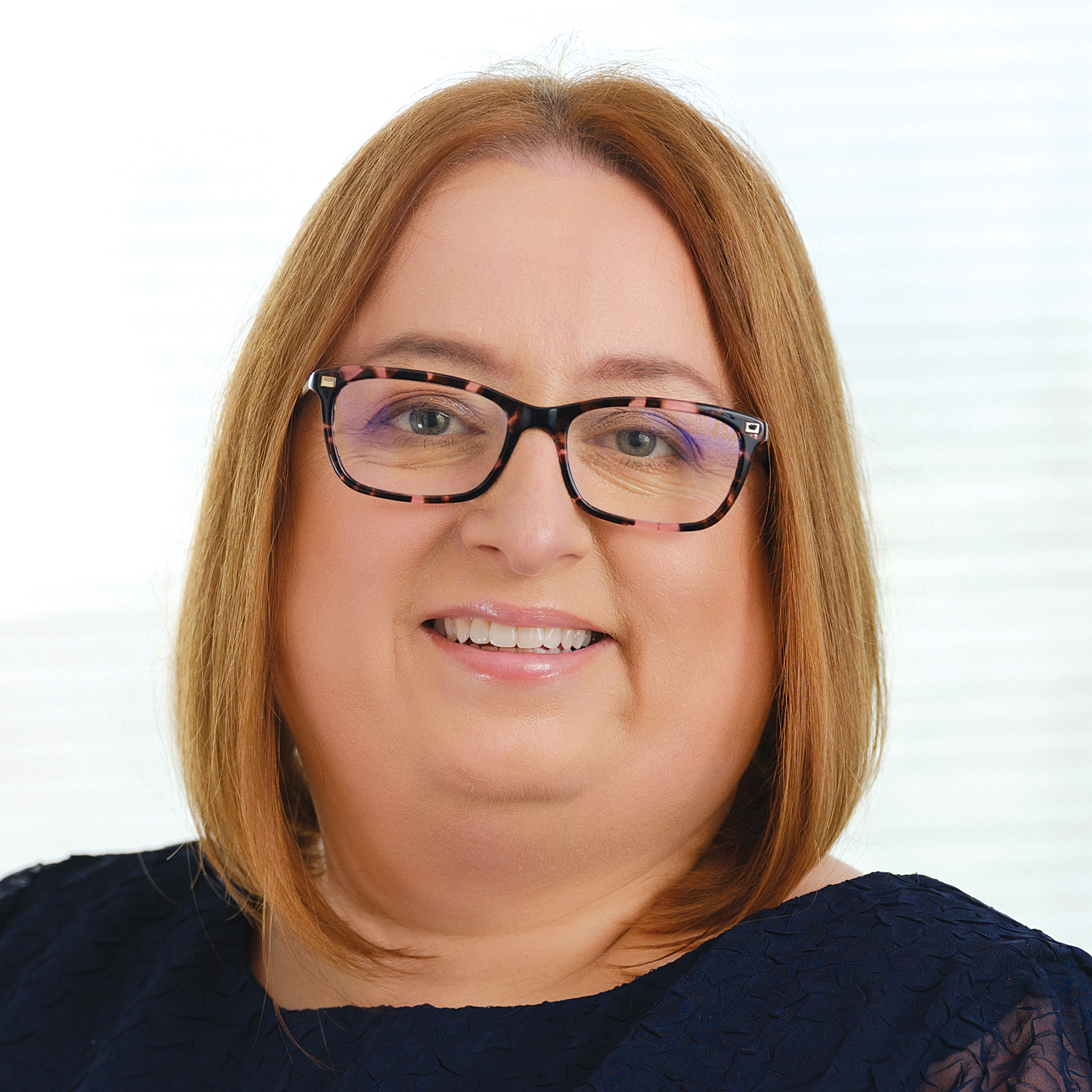
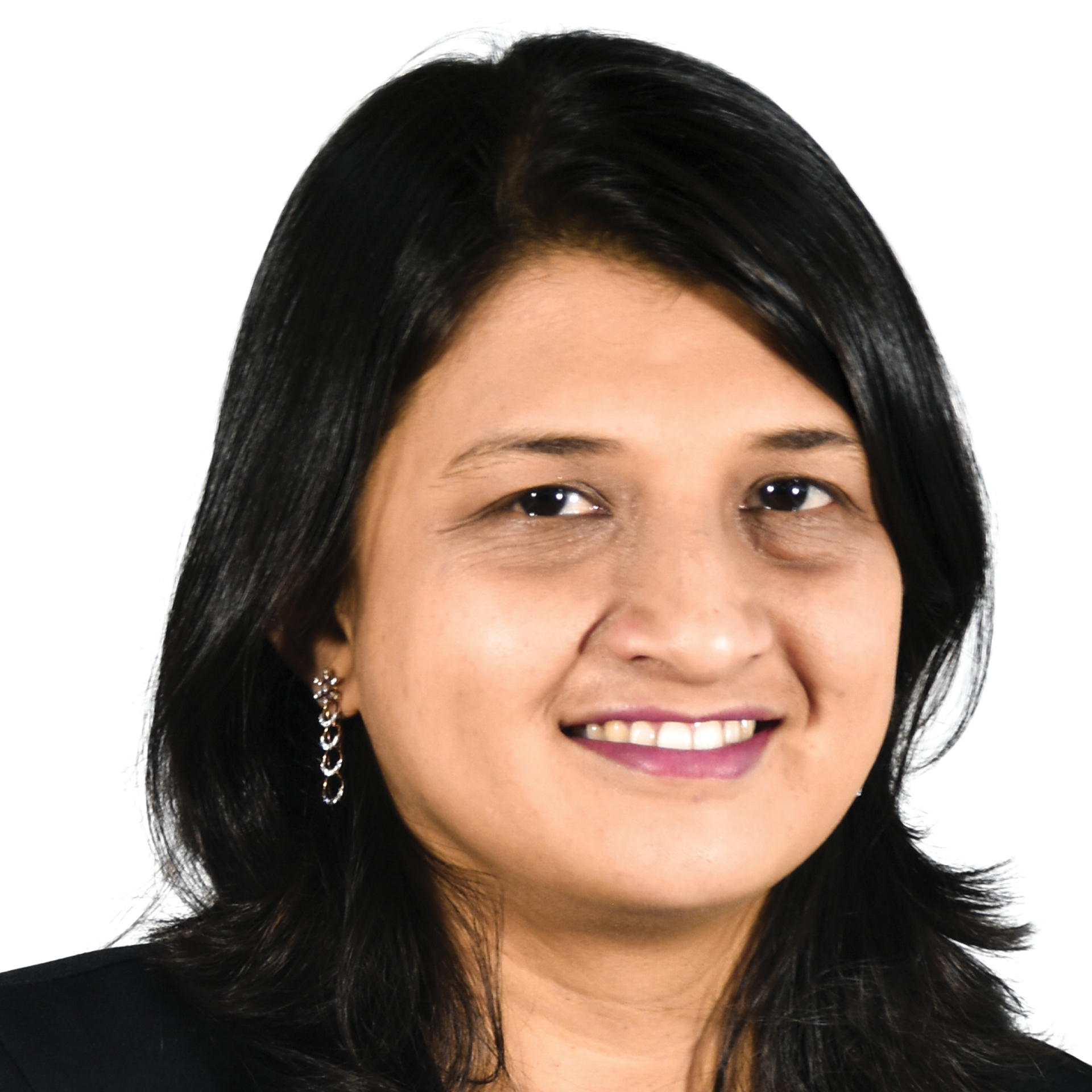
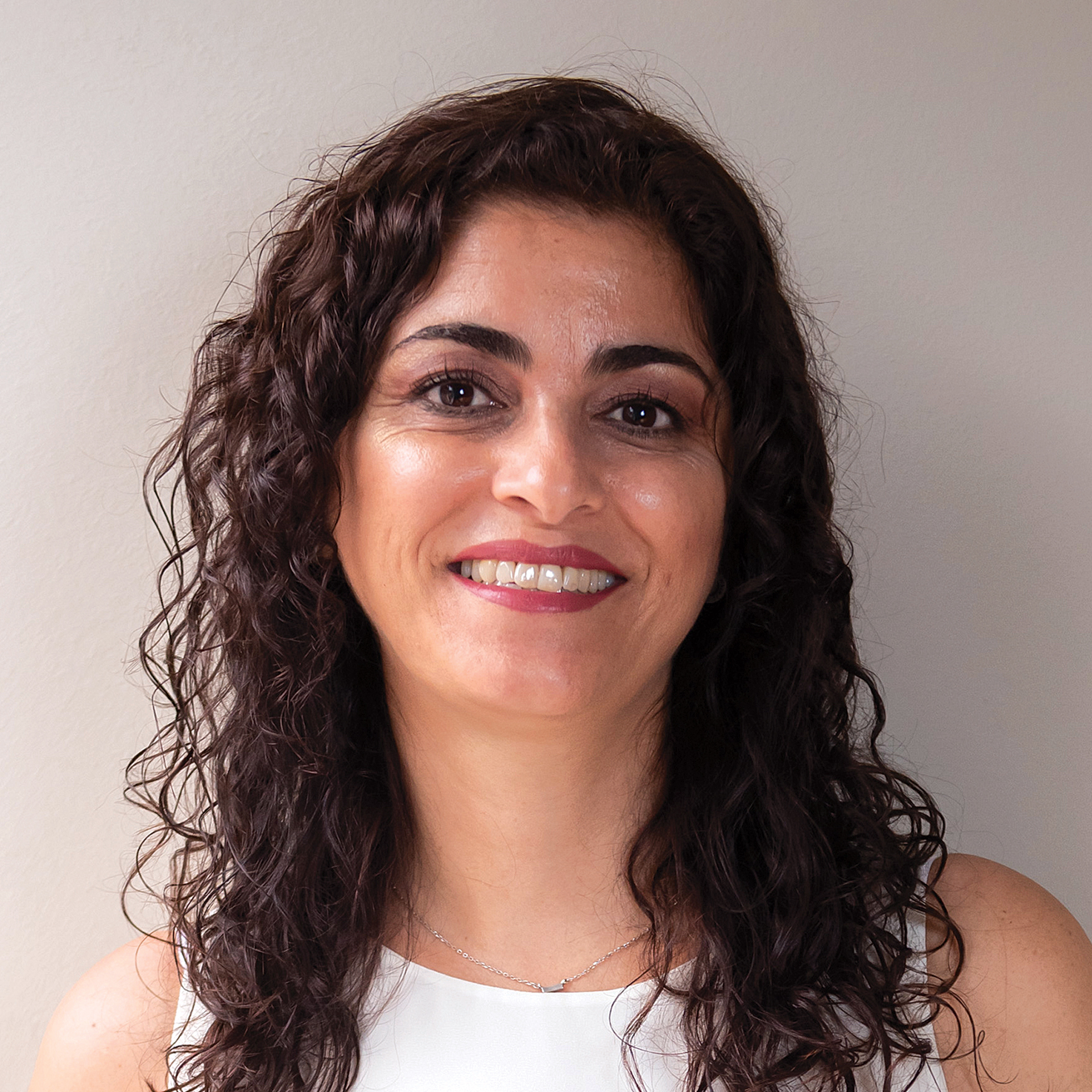
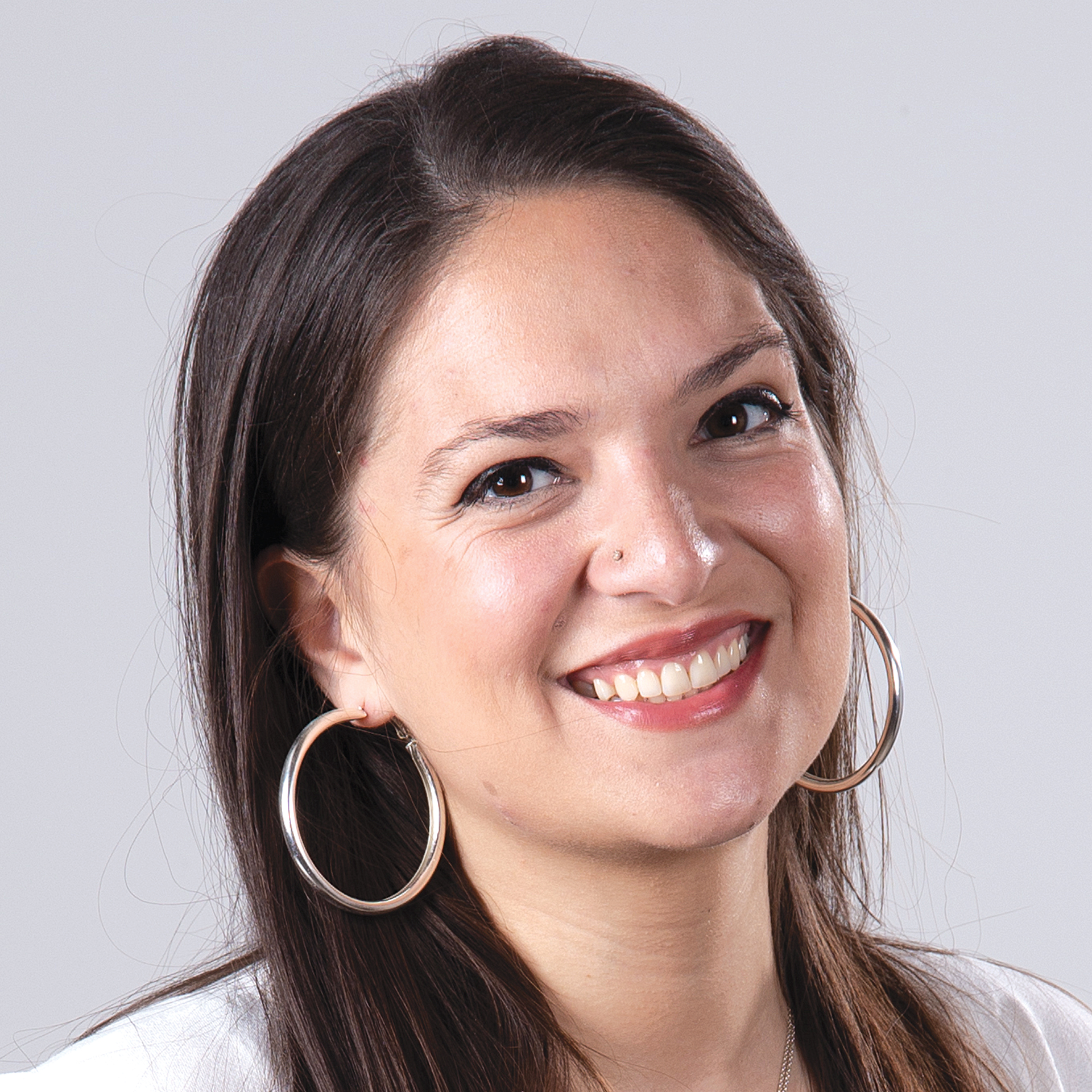
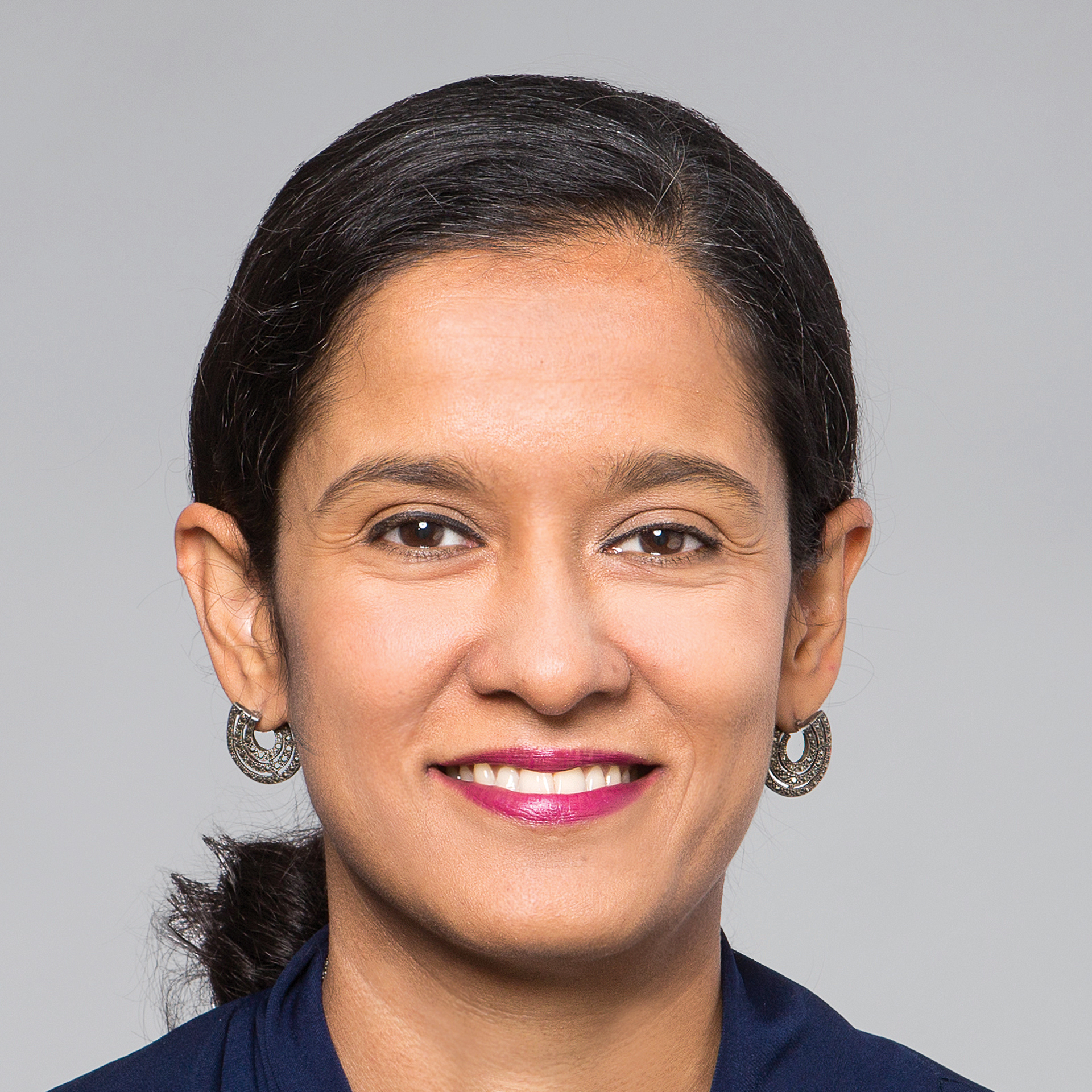
Top 30 Women in the Language Industry
In honor of Women’s History Month, we highligth 30 ladies of the language industry. After a public vote, these 30 came most highly recommended by their peers — and some family.
Advertisement
POSTEDITING
am a woman. Yet I have never strongly identified with other women. In elementary school, I didn’t share most interests with the girls, and the boys teased me for being different. But I was a happy, energetic, and confident child. One day, when I was about 8, I proudly rode to school on a turquoise and purple mountain bike that my dad had custom built with a tyrannosaurus rex glued onto the front fender. Several kids crowded around and taunted me because it had a men’s frame. Someone hollered, “Marjolein wants to be a boy!” I dropped my head and pushed through the semicircle of bullies, embarrassed about something I didn’t quite understand. This was my introduction to gender roles and that they were becoming increasingly important at that age.
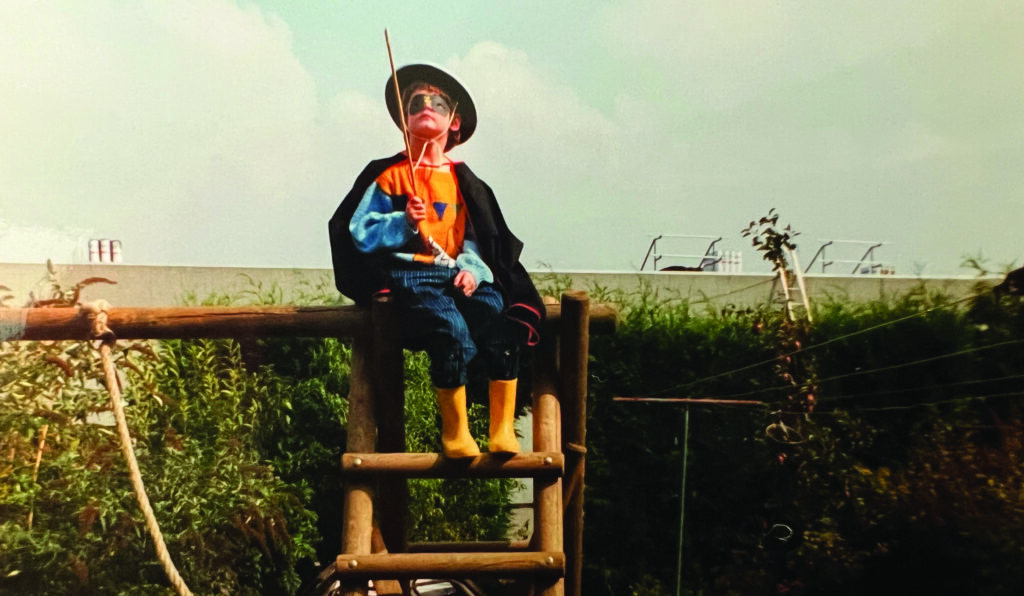
My best friend was my older brother, and we did everything together. The bike incident had made me wonder: Did I want to be a boy? I had no reason to be unhappy as a girl. But the more I thought about it, the more appealing it was. In the Christian farm village of my childhood, life was less restrictive for boys and girls were uniformly girly — encouraged to ride ponies and mother baby dolls. Meanwhile, my favorite activities were climbing trees, playing spy games, and ripping the limbs off Barbies. Except the one with a leather outfit and a pink motorcycle — she was cool. My parents let me express myself in my own ways, giving me the Zorro costume I had asked for on my birthday. Yet that boy’s simple accusation in the bike stand threw me into deep insecurity and awareness of gender identity.
Perhaps if I was a boy, I began to think, I could connect better with the other boys? Maybe it was worth a shot? I was strong, wiry, and flat-chested well into my teens, and wore my brother’s old clothes. In private and in front of a mirror, I put socks in my pants to see if that would complete the transition. But I was still a girl. Not long after that, most parents decided that boys and girls couldn’t play together anymore, and I became more isolated. I didn’t feel any pressure to publicly declare my gender during that confusing time in my preteens, and that left me to explore and consider the meaning of gender without scrutiny or pressure to make up my mind. In the ‘90s we pushed not to be labeled — and we didn’t label ourselves.
In adolescence, I went through multiple sexual assault experiences and was constantly suppressed in my professional ambitions. This made me feel insecure about my body, my capabilities, and my worthiness of my dreams. In the end, there were women as well as men who gave me the courage and opportunity to step up to the position I am in today, and I am grateful to all of them. Some women in this issue also make room to acknowledge support from their fathers, male friends, and coworkers. Even when we take time to focus on our community of women, it’s crucial not to alienate the men in our lives. The battle of the sexes can only be overcome through mutual acceptance and love.
Do I want to be a man today? Even in 2023 it would be easier in so many ways. But I enjoy a good challenge, and the stories in this issue are beautiful, vulnerable, and inspiring; and I am thrilled to support them as a woman. Let us continue to find strength and encouragement through the many experiences shared in these pages.
I realize there is an inherent contradiction in creating a list of just women in a time where gender can be individual, fluid, and unique, but it’s equally important to create opportunities for a historically marginalized group to be applauded and cheered on. I’d like to compliment those brave enough to stand with their identity and encourage those still on a journey to find comfort with theirs.
As for me, I’ve found peace being a boyish woman, whatever that means. Some people still choose to label me without invitation, perhaps to appear open-minded and accepting. I guess they’re not always wrong, but I’m happy going through life just as Marjolein, the slightly odd and masculine lady without a label that may or may not change again. And I still like to climb trees on occasion. 

Advertisement
FEATURE

Top 30 Women in the Language Industry
Curated by Marjolein Groot Nibbelink
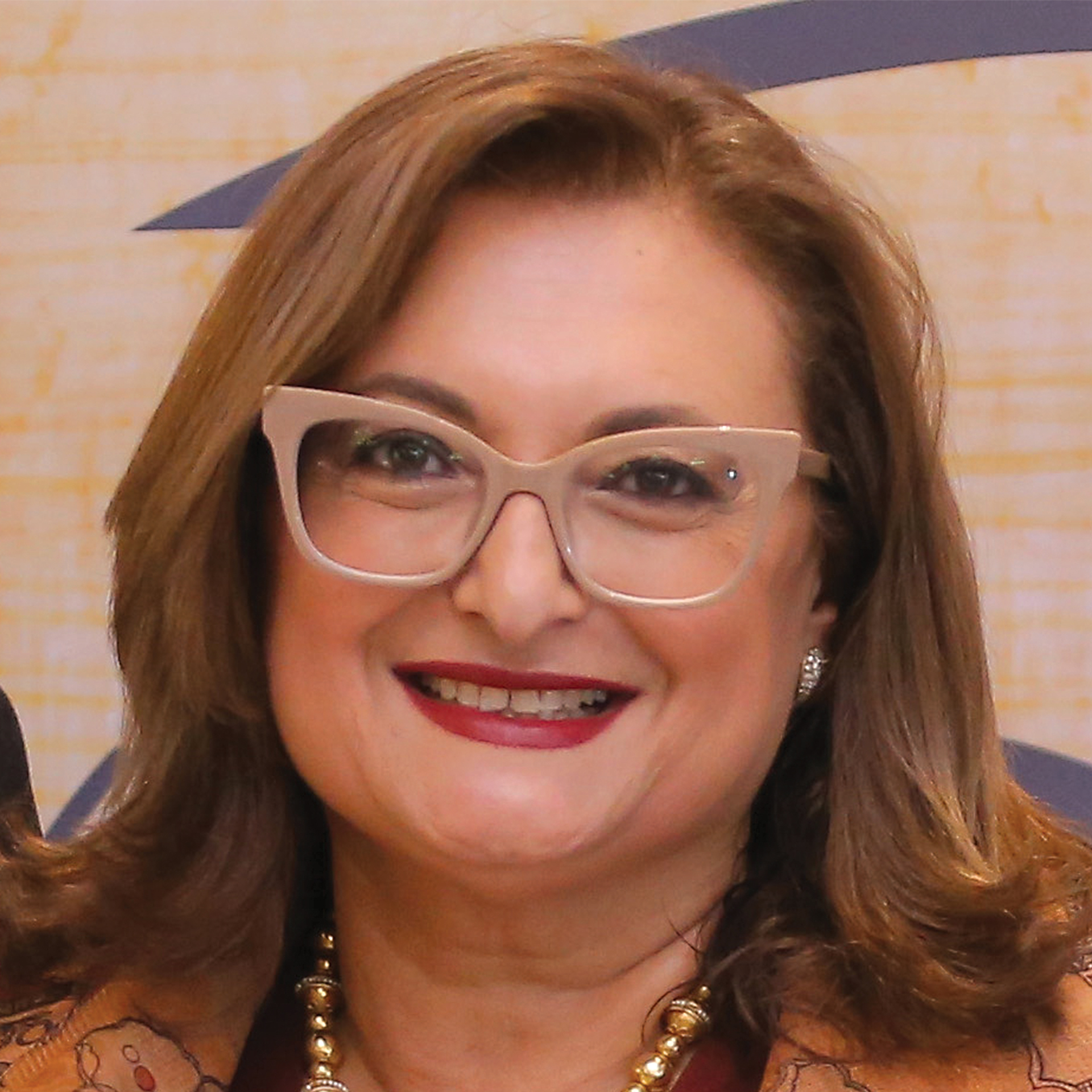
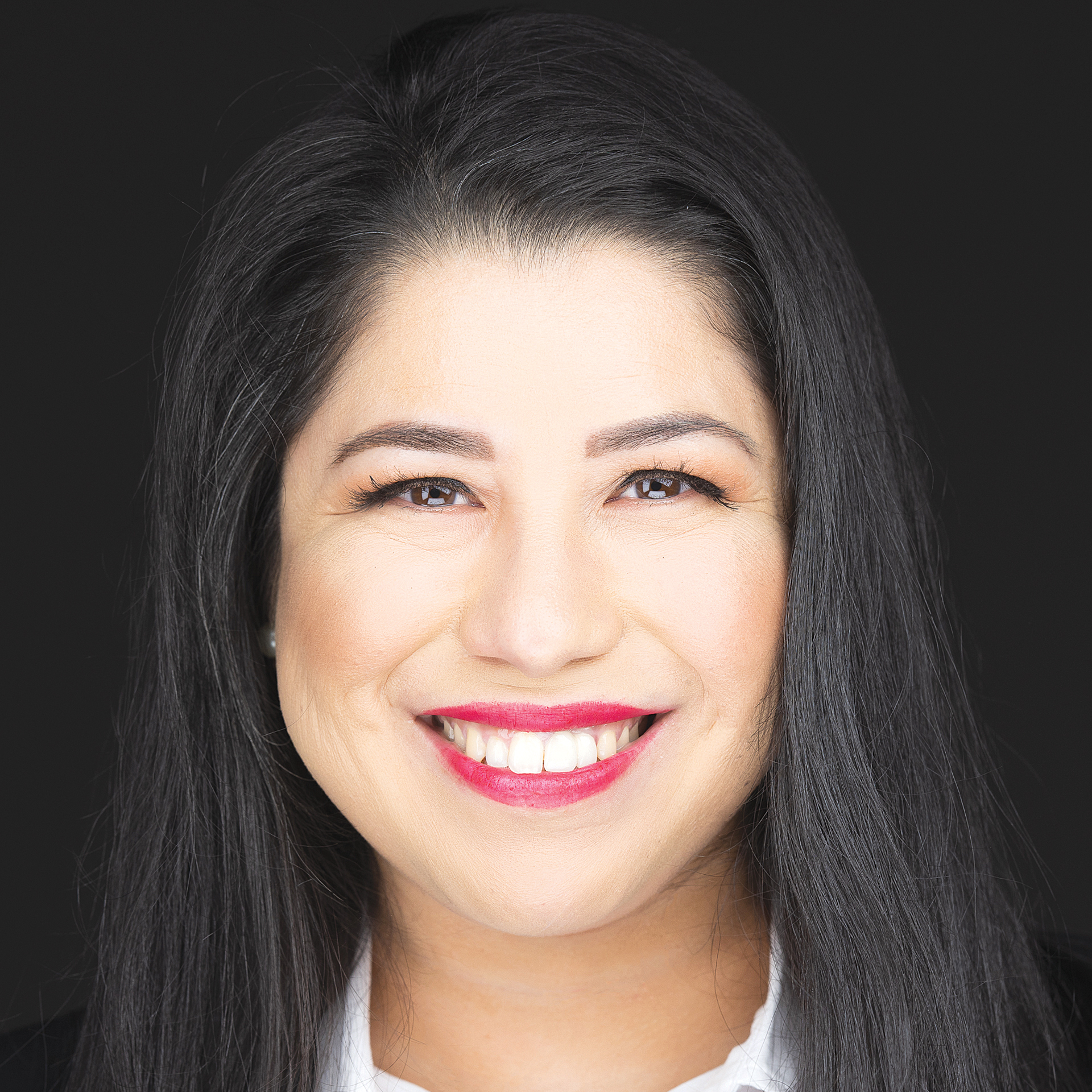
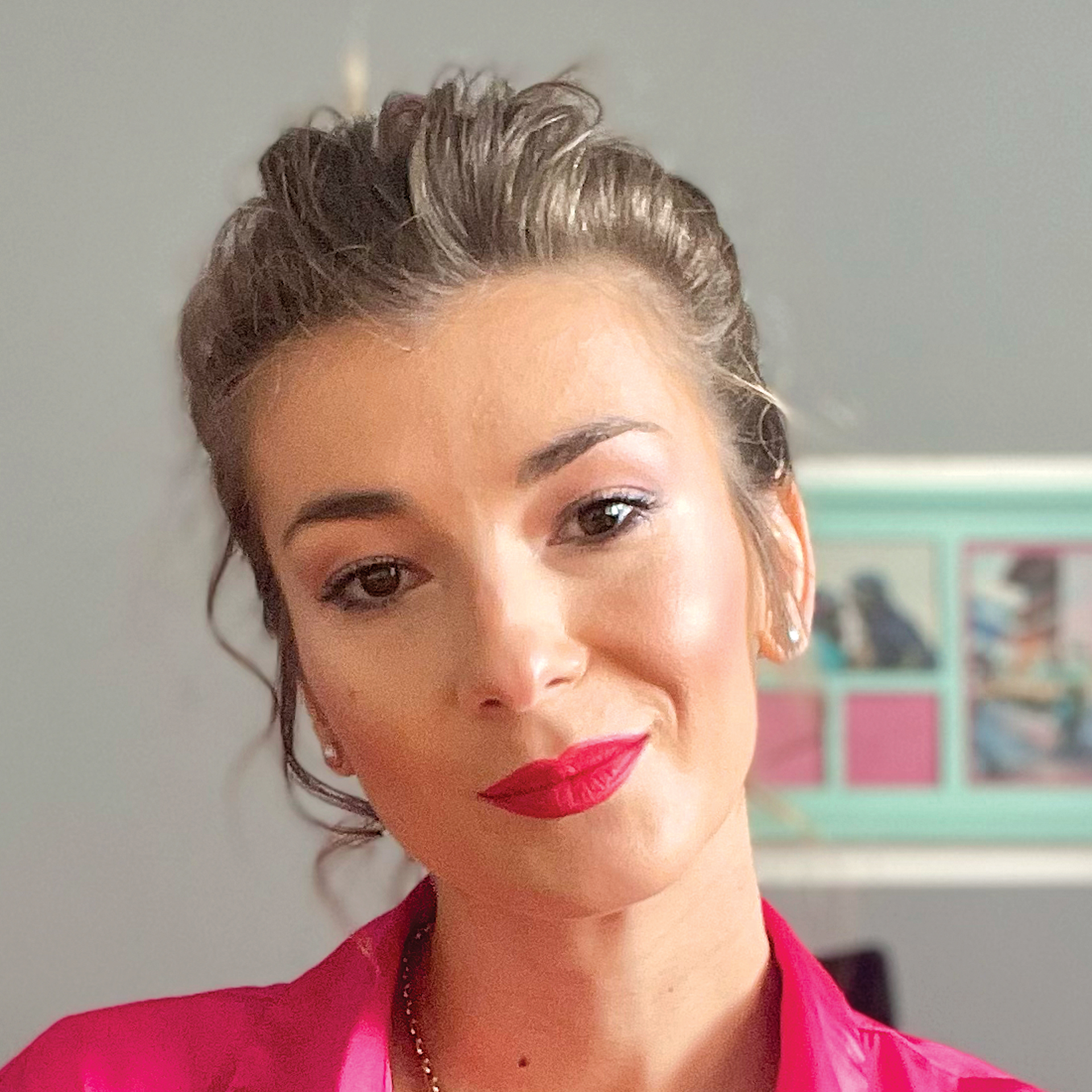
According to Zippia, 60.6% of translators are women, and 39.4% of translators are men. At the same time, press releases and public debate in our industry are often led by — and conducted around — men. There’s nothing wrong with highlighting influential and good men, of course, but we feel it’s not only sensible but even necessary to create a space to put some amazing women in the spotlight, supported by the greater language industry community. In total, 236 women agreed to be included in the vote, every nominee received at least four votes, and the final results were not far apart. All who were nominated and did not make the cut will be included in the 2024 vote.
Advertisement



Advertisement

Advertisement



Advertisement
EXPERIENCE

Thriving as a Woman in Tech
By Mimi Hills
All too often, women in the technology industry struggle to get the recognition they deserve. Throughout her career, Mimi Hills has seen her fair share of bias in the industry — in her latest for MultiLingual, she shares ten tips for women looking to pave their way to success in the industry.
Advertisement

You Are Not Alone
By Gabriela Kouahla
In this piece — presented as a series of journal entries — Gabriela Kouahla, founder of Beyond Words Creative, tells the tale of her career and the women along the way who supported her in her efforts to establish herself in the industry, eventually culminating in her founding of Algeria’s first localization agency.
Advertisement
SPONSORED CONTENT

Erin Wynn: Leading through example
Supported by Welocalize
In this year’s Women’s History Month special, Welocalize had a grand total of four employees make the top 30 — in this interview with MultiLingual, the company’s chief customer officer Erin Wynn talks a bit about the company’s efforts to spearhead DEI and the women she works with every day.
Advertisement

Amanda Newton: The art of solutions
Supported by RWS
Last June, Amanda Newton was promoted to ead RWS’ Strategic Solutions Group as executive vice president. In this interview with MultiLingual, Newton talks about her new role and recaps some of the moments throughout her career that led her to this position.
Advertisement
COLUMNS

Antiquated Premiere
By Tim Brookes
Inspired by the narration and closed captions of a soccer game played between the US Women’s National Team and New Zealand, Tim Brookes takes a look at word games and writing exercises throughout the ages in the latest installment of his column “The Red List.”
Advertisement

Linguistic Validation
By Mark Shriner
In the latest installment of his life sciences-focused column “The Lab,” Mark Shriner takes a deep dive into the topic of linguistic validation (LV) to get an understanding of what it is, when and why it’s required, and what are some of the related challenges.
Advertisement
BUYER’S GUIDE


BUYER’S GUIDE
STAR Group
Multiple Platforms
STAR is a leader in information management, localization, internationalization, and globalization services and solutions such as GRIPS (Global Real Time Information Processing Solution), PRISMA (Smart Content Services), STAR CLM (Corporate Language Management) including Transit (Translation & Localization), TermStar/WebTerm (Terminology Management), STAR MT (Machine Translation), CLM WebEdit (Web-based Translation & Review), and MindReader (Authoring Assistance). With more than 50 offices in 30 countries and a global network of prequalified freelance translators, STAR provides a unique combination of information management tools, and services required to manage all phases of the product information life cycle. Languages: All
+41-52-742-9200
STAR AG (STAR Group headquarters) Ramsen, Switzerland
info@star-group.net
www.star-group.net
STAR Group America, LLC Lyndhurst, OH USA
216-691-7827
lyndhurst@star-group.net

European Language Industry Association (Elia)
Elia is the European not-for-profit association of language service companies with a mission to accelerate our members’ business success. We do this by creating events and initiatives that anticipate and serve our members’ needs in building strong, sustainable companies, thereby strengthening the wider industry. Elia was founded in 2005 and has since established itself as the leading trade association for the language services industry in Europe.
Elia Brussels, Belgium
info@elia-association.org
http://elia-association.org


Globalization and Localization Association
The Globalization and Localization Association (GALA) is a global, nonprofit trade association for the language industry. As a membership
organization, we support our member companies and the language sector by creating communities, championing standards, sharing knowledge, and advancing technology.
Globalization and Localization Association Seattle, WA USA
+1-206-494-4686
info@gala-global.org
www.gala-global.org

LocWorld
LocWorld conferences are dedicated to the language and localization industries. Our constituents are the people responsible for communicating across the boundaries of language and culture in the global marketplace. International product and marketing managers participate in LocWorld from all sectors and all geographies to meet language service and technology providers and to network with their peers. Hands-on practitioners come to share their knowledge and experience, and to learn from others. See our website for details on upcoming and past conferences.
Localization World, Ltd. Sandpoint, ID USA
info@locworld.com
https://locworld.com
Number 1 LSP that you should know
Crestec is a world-class language service provider. CSA Research ranks Crestec as a global top 5 LSP in the technology sector and global top 6 in the manufacturing sector. Headquartered in Japan with a network of over 18 sites in the US, Europe, and Asia, we offer a one-stop comprehensive solution for global communications from marketing content creation and technical writing to localization, printing, and studio/shooting production.
Languages: Japanese, Simplified Chinese, Traditional Chinese, Korean, French, German, Italian, Spanish, Dutch, Swedish
Crestec USA Long Beach, CA , USA
612-986-3108
aki.ito@crestecusa.com
https://crestecusa.com
Crestec Europe Amsterdam, Netherlands
+31 205854640
sales@crestec.nl
https://crestec.eu

Translators without Borders
Translators without Borders (TWB) is a global community bringing together over 80,000 people who offer their time and skills to support the organization’s mission — helping people get vital information and be heard, whatever language they speak. Originally founded in 2011, TWB is today part of CLEAR Global, a US-based nonprofit that also comprises CLEAR Tech and CLEAR Insights.
Languages: 200 language pairs
Translators without Borders CT USA
info@translatorswithoutborders.org
www.translatorswithoutborders.org
Total Solutions for Your Business
E4NET is a total localization solutions provider specializing in Asian localization covering all major Asian languages and other regional tiers. We have 25+ years of successful experience delivering a variety of major projects for global customers, such as IBM, SAP, Oracle, LG Electronics, Epic Games, Panasonic, and more. E4NET specializes in IT and life science but covers other industries such as patents, travel, fashion, games, finances, government, and automobiles. In addition, we are continuously developing and applying innovative, leading-edge technology such as MT and associated customer services throughout our process to maximize production/service efficiency.
ISO 17100, ISO 18587, ISO 9001, and ISO 27001 certified. Languages: 70+
E4NET Co., Ltd. Seoul, South Korea
82-2-3465-8532
loc-mkt@e4net.net
www.e4net.net
Argos Multilingual
Argos Multilingual provides global language solutions. With over 30 years of experience, we serve clients in the high-tech, life sciences, human resources, and financial industries. We make it easy for businesses to grow globally and connect with expert talent anywhere in the world. With production centers in Europe, the Americas, and Asia, we follow a strategy of building robust programs for continuous translation and localization. You can expect a long-term and transparent partnership, backed by innovative solutions around technology, AI & data, creative content, and quality assurance.
Languages: 150+ languages
Argos Multilingual. Mogilska 100, 31-546, Krakow, Poland
82-2-3465-8532
info@argosmultilingual.com
www.argosmultilingual.com
ORCO S.A. Localization Services
Founded in 1983, ORCO celebrates this year its 35th anniversary. Over the years, ORCO has built a reputation for excellence and gained the trust of leading companies, such as Oracle, IBM, and Carrier for the localization of their products. Our core business activities include technical, medical, legal, financial, marketing, and other translations, software and multimedia localization, as well as localization consulting. We cover most European languages, and our client list includes long-term collaborations with international corporations, government institutions, banks, private enterprises, NGOs, and the European Union. ORCO is certified according to ISO 17100 and ISO 9001 quality standards.
Languages: Greek and European languages
ORCO S.A. Athens, Greece
+30-210-723-6001
info@orco.gr
www.orco.gr
Clear Global
CLEAR Global is a US-based nonprofit comprising Translators without Borders, CLEAR Tech, and CLEAR Insights. With our research and partnership programs, AI-based language technology solutions, and a community of over 80,000 linguists, CLEAR Global is helping people get vital information and be heard, whatever language they speak.
CLEAR Global Garden City, Idaho, USA
+44 (0) 1753 480 200
info@clearglobal.org
www.clearglobal.org
RWS Holdings plc
RWS Group is a world-leading Language Services Provider, offering a complete range of end-to-end language, translation and localization services for all types of content.
Combining the skill and expertise of our human translators with technologies to provide efficiency and quality, whatever the scale, our unique combination of technical prowess and cultural expertise helps our clients to grow, by ensuring they are understood anywhere, in any language.
Our purpose is unlocking global understanding.
We work with over 80% of the world’s top 100 brands, over three-quarters of Fortune’s 20 ‘Most Admired Companies’ and our operations are truly global in scope, with 65+ locations across five continents servicing clients in almost every sector. Languages 240+
RWS Holdings plc, Chalfont St. Peter, UK
+44 (0) 1753 480 200
rws@rws.com
www.rws.com
Vistatec
We have been helping some of the world’s most iconic brands to optimize their global commercial potential since 1997. Vistatec is one of the world’s most innovative, progressive, and successful localization solutions providers. Headquartered in Dublin, Ireland, with offices in Mountain View, California, USA. Think Global.
Languages: All
Europe: Dublin, Ireland, 353-1-416 -8000
North America: Mountain View, CA USA
408-898-2364
info@vistatec.com
www.vistatec.com

InText
InText is a company with offices in Ukraine and Estonia providing multilingual localization and desktop publishing services. We have 20 years of experience in the language industry and 300+ clients worldwide. InText has 36 languages available for your localization needs. Our linguists work with a wide variety of subject areas. While our team of 10 in-house and 40+ freelance DTP specialists provides desktop publishing projects and work with all languages in different software tools. Benefit from ordering all-in-one multilingual solutions for your localization tasks.
Languages: 36
InText Translation Solutions OÜ, Tallin, Kesklinna linnaosa,
Estonia
202-580-8684
crm@intext.com
www.intext.com
Consoltec Inc.
Multiple Platforms
FlowFit-TMS is a web-based translation management system developed by Consoltec to optimize the management of translation-related projects and reduce administrative costs. Consoltec relied on its adaptation services to offer a flexible software with fully customizable web portals for clients, providers, and project managers to give them an accurate overview of their teams’ workload, and allow them to manage their clients and internal/external resources effectively. FlowFit integrates well with CAT tools (memoQ, RWS, Terminotix) and machine translation systems(Systran, Intento and Alexa Translations) to provide users with a complete solution. Visit our website to start your free trial!
Consoltec Montreal, Québec, Canada
(+1) 514 312-2485
info@consoltec.ca
www.consoltec.ca

Memsource
Memsource is a leading cloud-based translation management system that enables global companies, translation agencies, and translators to collaborate in one secure, online location. Internationally recognized for providing an easy-to-use, yet powerful CAT tool combined with a TMS, Memsource processes two billion words per month from over 200,000 users around the world. Manage your translation projects in real-time in an intelligent platform that accepts over 50 file types and offers REST API, out-of-the-box CMS connectors, and powerful workflow automation to save time and money. Join localization professionals from around the world who rely on Memsource to streamline their translation process. To start your free 30-day trial, visit
www.memsource.com.
Languages: All
Memsource Prague, Czech Republic
+420 221 490 441
info@memsource.com
www.memsource.com
birotranslations
Founded in 1992, birotranslations specializes in life science, legal, technical, IT, and automotive translations into all East European languages (Albanian, Bosnian, Bulgarian, Croatian, Czech, Estonian, Hungarian, Latvian, Lithuanian, Macedonian, Polish, Romanian, Russian, Serbian, Slovak, Slovenian, Ukrainian). We have a long-term partnership with the world’s top 100 MLVs and many end-clients all around the globe. With our experienced project managers, extensive network of expert linguists and usage of the latest CAT tool technology, your projects will be delivered on time, within budget, and with the highest standards of quality. For more information, please contact Mr. Matic Berginc (details below).
Languages: Eastern European languages
birotranslations Ljubljana, Slovenia
+386 590 43 557
projects@birotranslations.com
www.birotranslations.com
GlobalWay Co., Ltd.
GlobalWay, located in Korea, has been providing incomparable professional localization services to partners all around the globe since 2003. As an industry-leading localization company and ISO 9001, 17100, 18587 certified, we are here to offer language solutions including translation, voiceover, subtitling, DTP, and testing services.
Our highly qualified and experienced in-house linguists, engineers, and project managers will add value to your business.
GlobalWay and its long-term global partners are ready to support you on the road to success. Are you looking for a reliable localization partner?
Our doors are wide open for you. Should you need more information, please feel free to contact us. Languages: 50+ more languages including Korean, English, Chinese, Japanese, German, Russian, Vietnamese, Thai, Indonesian.
GlobalWay Co., Ltd. Seoul, South Korea
+82-2-3453-4924
sales@globalway.co.kr
www.globalway.co.kr

The Next Generation of Translation Agencies
Gobetween LSP is a female-led company of PMs and linguists specialized in providing English into Spanish localization and translation services of excellent quality and value. We rethink and recreate industry best-practices based on more than one decade of experience in effective communication, quality indicators, and project planning. At gobetween LSP, we help clients and linguists succeed, we believe in teamwork, we focus on human relationships in an increasingly automated world, and we mediate across cultures to ensure communication and understanding.
Our clients benefit from our competitive rates and from the assistance provided throughout the entire project cycle.
Don’t wait for the future to find your next translation partner. The future is us.
Languages: English<>Spanish (all flavors)
Gobetween LSP Rosario, Santa Fe, Argentina
+1 347 946 3834
info@gobetweenlsp.com
www.gobetweenlsp.com
iDISC Information Technologies
iDISC, established in 1987, is an ISO 9001 and ISO 17100 certified language and software company based in Barcelona with branches and teams in Mexico, Brazil, USA, Argentina, Bolivia, and Guatemala. We have dedicated teams for web content, software localization, and translation of technical, business, automotive, biomedical, and marketing documents. Our software development engineers and translation teams provide high-quality and on-time production solutions that are cost-efficient, flexible, and scalable.
Languages: Spanish (all variants), Portuguese (all variants), Catalan, Basque, Galician, Valencian, K’iche’, Quechua, Aymara, Guarani.
iDISC Information Technologies, S.L. Barcelona, Spain
34-93-778-73-00
info@idisc.com
www.idisc.com
Translated.
Professional translation services made easy. Crafted by expert humans, powered by technology, efficiently delivered. We have delivered 1.2 million translations in 150 languages to 134,091 clients in 40 macro-domains since 1999, powering the globalization strategy of the most demanding clients. We work hard to make translation services more effective, by enhancing our production processes with great technologies and talented people. A perfect example is T-Rank™, the system that instantly matches your content with the most qualified translator for the job. We offer a wide range of linguistic services that cover all your future needs: Google Ads translation, software localization, subtitling, and APIs to integrate human translation. We open up language to everyone.
Languages: 150 languages and 40 areas of expertise.
Translated Rome, Italy
+390690254001
info@translated.com
www.translated.com
memoQ
memoQ is a leading collaborative translation environment and TMS delivering premium solutions to the translation industry since 2004. memoQ is dedicated to delivering innovation through diverse developments that help hundreds of thousands of freelance translators, translation companies, and enterprises worldwide.
Having both simplicity and effective translation processes in mind, memoQ combines ease of use, collaboration, interoperability, and leverage in a single tool. Discover a new world with memoQ, and let our team help optimize your translation processes and make your business more successful. memoQ’s quality & information security management system is certified to ISO 9001 and ISO 27001. Languages: 250+
Budapest, Hungary
+3619555840
sales@memoq.com
www.memoq.com
BLEND— End-to-end Localization Services
Multiple platforms
BLEND (getblend.com) is a global localization company brought to you by the makers of One Hour Translation — the legacy LSP founded in 2008.
As an end-to-end, technology-based, multi-market enabler, BLEND empowers global brands to establish a native presence in fundamentally different markets worldwide.
Our strength lies in the power of our AI-driven technology stack, the diversity of our team, and the strength of our global community of linguists. With a multitude of ethnicities and global locations, we’re dedicated to helping global companies weave their brands successfully into local markets. BLEND is a privately held company with offices in Tel Aviv, Los Angeles, Shanghai, Kyiv, and Bucharest. Languages: 120+
BLEND 11 Ha’achim Mislavita st. Tel Aviv 7401022 Israel
sales@getblend.com
www.getblend.com
Nimdzi
Nimdzi Insights is an international market research and consulting company. Nimdzi advises on language services, localization programs, business operations and mergers and acquisitions. Nimdzi is committed to providing opportunities for continuous professional development and resources for business professionals worldwide.
Nimdzi Insights Seattle, WA, United States
+1 206 823 3177
info@nimdzi.com
www.nimdzi.com
Rheinschrift Language Services
Outstanding localization requires world-class experience. Rheinschrift gives your business a native voice in the German-speaking world. We offer more than 26 years’ experience providing translations and localizations for software and hardware manufacturers as well as for the sectors of business, technology, legal matters, and medicine/medical
applications. Our ISO 17100- and ISO 18587-certified services also range from glossaries, post-editing, project management, and desktop publishing services to many other related services. Rely on Rheinschrift to deliver the most competent translations and meet your deadline, whatever it takes.
Languages: German <> major European languages
Rheinschrift Language Services Cologne, Germany
+49 (0)221-80-19-28-0
contact@rheinschrift.de
www.rheinschrift.de
Translation Commons
Translation Commons is a nonprofit US pub-lic charity powered by translators. We are a volunteer-based online community aiming to help our language community thrive and bridge all the sectors within our industry. We facilitate cross-functional collaboration among the diverse sectors and stakeholders within the language in-dustry and instigate transparency, trust and free knowledge. Our mission is to offer free access to tools and all other available resources, to fa-cilitate community-driven projects, to empower linguists and to share educational and language assets.
Translation Commons Las Vegas, NV USA
(310) 405-4991
krista@translationcommons.org
www.translationcommons.org
XTM International
XTM International develops and sells XTM Cloud, an enterprise SaaS translation management system with an integrated computer aided translation tool. XTM’s mission is to help enterprises reach global markets more efficiently by automating and man-aging all aspects of the localization process. XTM Cloud employs AI to deliver advanced automation, has a well-developed REST API and out-of-the-box connectors for content management systems and machine translation systems. XTM’s flexible and automated workflow streamlines complex localization processes and supply chains while providing project managers with an up-to-date view of the project status. XTM Cloud is designed to be scalable, flexible and agile, with industry open standards at its core. Visit www.xtm.cloud for more.
XTM International Buckinghamshire, United Kingdom
+ 44 1753 480 479
sales@xtm.cloud
www.xtm.cloud

Lionbridge
Lionbridge partners with brands to break barriers and build bridges all over the world. For 25 years, we have helped companies connect with their global customers and employees by delivering translation and localization solutions in 350+ languages. Through our world-class platform, we orchestrate a network of passionate experts across the globe who partner with brands to create culturally rich experiences. Relentless in our love of linguistics, we use the best of human and machine intelligence to forge understanding that resonates with our customers’ customers. Based in Waltham, Massachusetts, Lionbridge maintains solution centers in 26 countries. Languages: 350+.
Lionbridge Waltham, MA, United States
+1 781-434-6000
marketing@lionbridge.com
www.lionbridge.com
ADAPT Localization Services
ADAPT Localization Services offers premium language services for clients in the medical, life sciences, and technology sectors. Certified under ISO 13485 and ISO 17100, the company is headquartered in Germany and maintains offices in Sweden, Spain, and Denmark.
ADAPT offers the full range of services from translation, software localization, and terminology work through graphics and pre-print tasks to dubbing and subtitling of training courses and company presentations. With more than 20 years of experience in fields like in vitro diagnostics, medical devices, optics, or automation technology, ADAPT is the partner of choice for many leading manufacturers particularly when it comes to complying with regulatory language requirements in Europe and worldwide. Languages: All the world’s business languages
Adapt Germany, Bonn, NRW
+49 228 982260
adapt@adapt-localization.com
www.adapt-localization.com
Reach Global Users in Their Native Language
Smartling helps companies automate, manage, and professionally translate content across all devices and platforms to deliver omni-channel brand experiences that facilitate global growth. Languages: Over 100 Languages.
Smartling New York, United States
hi@smartling.com
www.smartling.com
PTW – Bringing your story to the world
The team at PTW are game localization experts, offering end-to-end audio production, translation and localization quality assurance services from an extensive global studio footprint.
PTW’s 25 years’ history in the games industry has allowed us to build a client-centric organization, providing a boutique service that is tightly integrated across key regions.
We’re a global team of passionate, hard-working, ambitious gamers, whose goal is always to make every gamers experience as perfect as possible.
The PTW family of brands includes SIDE, an award-winning creative services provider, and Entalize, the leading video game localization outsourcer in Japan.
Translation | Audio Recording | Localization Testing | Development. Languages: 40+.
PTW Los Angeles, CA, United States
+1 781-434-6000
sales@ptw.com
www.ptw.com

Boostlingo | Interpretation Technology
Boostlingo is an interpretation software and technology company based in Austin, Texas. We are focused on defining the next generation of interpretation technology solutions.
Our software is available on any device, customizable for your language service company’s needs, and compliant across all common regulatory and security requirements.
The Boostlingo software platform includes features like: white label mobile apps for your customers to get connected with interpreters, OPI and VRI delivery systems, multi-tenant administration and configuration controls, internet- and phone-based routing systems, onsite interpretation scheduling tools and analytics, and appointment geo-tracking services.
Get started on your growth journey today at boostlingo.com/multilingual.
Languages: 300 languages supported
Boostlingo Austin, Texas, United States
+1-347-934-9440
marketing@boostlingo.com
www.boostlingo.com
Alliant
Alliant Insurance Services is a National leader in insurance, risk management, and consulting. Since 1925, our clients have had profound confidence in us to deliver in all market climates. Today, this promise lives on through the dynamic confluences of people, ideas, and solutions, which have defined the Alliant name. The member-exclusive, ATA-endorsed Professional Liability Insurance Program protects translators and interpreters against claims-related errors, omissions, and/or negligence arising from their professional services. This comprehensive solution commonly known as errors and omissions liability insurance (E&O) covers defense costs and settlements and provides a valuable layer of additional coverage for translators and interpreters.
Alliant Chantilly, Virginia, United States
855-663-2282
ata-questions@alliant.com
www.alliant.com
Translations into Polish
Ryszard Jarża Translations, established in 2000, is a provider of Polish translation, localization and testing services, primarily for life sciences, IT, auto-motive, refrigeration and other technology sectors. Most of our work is produced in-house by a team of Polish linguists and subject matter experts who offer a unique combination of technical compe-tences and creativity required in marketing transla-tion projects. We work directly with localization departments of large multinational clients and with multilanguage service providers. With focus on one target language only (Polish) and very strong in-house capabilities, we achieve highest levels of quality and efficiency. Our quality management system is certified to ISO 13485, ISO 9001, and ISO 17100.
Languages: Polish
Ryszard Jarża Translations, Wrocław, Dolnośląskie, Poland
+48 601 228 332
info@jarza.pl
www.jarza.pl

Protecting Translators and Interpreters Worldwide
Red T is a 501(c)(3) nonprofit organization advocating for the protection of translators and interpreters in high-risk settings.
Red T New York, NY USA
+1 (212) 675 0451
contact@red-t.org
www.red-t.org
Joint National Committee for Languages
The Joint National Committee for Languages and the National Council for Languages and International Studies (JNCL-NCLIS) represent the interests of over 140 member organizations, associations and companies in virtually all aspects of the language enterprise — education PreK-20, research, training, assessment, translation, interpreting and
localization — to the US government. The mission of JNCL-NCLIS is to ensure that all Americans have the opportunity to learn English and at least one other language.
Joint National Committee for Languages – National Council for Languages and International Studies Garrett Park, MD USA
+1 (202) 580 8684
info@languagepolicy.org
www.languagepolicy.org


SeproTec Multilingual Solutions
SeproTec is a Multilingual Service Provider ranked among the Top 30 Language Service Companies in the world. With more than 25 years of experi-ence in providing high-quality, cost-effective solu-tions in translation and interpretation, SeproTec distinguishes itself by utilizing the most advanced technology and translation management technol-ogy, specifically designed to maximize customer satisfaction. SeproTec is proud to have achieved certifications for Translation Services Manage-ment System, Quality Control, and Environ-mental Management (UNE-EN ISO 17100, ISO 13485, ISO 9001 and ISO 14001). SeproTec has more than 480 employees and 13,500 freelancers collaborators within Dedicated Account Teams that provide 24/7 coverage for our clients’ multi-lingual needs wherever in the world they may be.
Languages: over 120 languages.
SeproTec Multilingual Solutions Las Rozas de Ma-drid, Spain
+34 91 204 87 00
sales@seprotec.com
www.seprotec.com
Acolad
Acolad is the global leader in content and language solutions. Its mission is to support companies in every industry to scale across markets and enable growth through cutting-edge technology and localization expertise. Established in 1993, the group is present in 25 countries across Europe, North America and Asia, with over 2.500 employees supported by a network of +20.000 linguists around the world. Languages: all
Acolad 11 rue Lazare Hoche, 92 100, Boulogne-Billancourt, France
hello@acolad.com
www.acolad.com
Consoltec Inc.
Multiple Platforms
FlowFit-TMS is a web-based translation management system developed by Consoltec to optimize the management of translation-related projects and reduce administrative costs. Consoltec relied on its adaptation services to offer a flexible software with fully customizable web portals for clients, providers, and project managers to give them an accurate overview of their teams’ workload, and allow them to manage their clients and internal/external resources effectively. FlowFit integrates well with CAT tools (memoQ, RWS, Terminotix) and machine translation systems(Systran, Intento and Alexa Translations) to provide users with a complete solution. Visit our website to start your free trial!
Consoltec Montreal, Québec, Canada
+1 (514) 312 2485
info@consoltec.ca
www.consoltec.ca
Bolingo consult — Localization for Africa
Bolingo Consult is a female-led LSP that makes localization for African Languages a seamless process. We have experience in navigating the complexities in localization for African languages. Our services range from translation, interpretation and media localization to creating data for low-resource languages. With our certification in Quality Management Systems (ISO 9001:2015) and Information Security Management Systems (ISO/IEC 27001:2013), we strive to follow processes and procedures in delivering quality services to our clients whilst ensuring confidentiality and data protection. We’re on a mission to unlock confidence in African languages!
+1 (514) 312 2485
Bolingo Consult Accra, Ghana
info@bolingoconsult.com
www.bolingoconsult.com
Phrase
Phrase is a cloud-based localization solution that enables organisations of all sizes to open the door to global business through advanced automation and a broad variety of integrations. The Phrase localization Suite is equipped with the leading translation management system, a specialised platform for software and digital products, and it supports 500+ languages, 50+ file types, 30+ machine translation engines, and 50+ integrations. The enterprise-grade suite enables users to drive growth with a connected ecosystem of tools. Organisations like Uber, Shopify, Volkswagen, and thousands of others trust in Phrase and accelerate their global growth by giving people the content they need, in the language they speak. To start your free 14-day trial, visit www.phrase.com. Languages: All
Phrase Prague, Czech Republic
+420 (221) 490 441
info@phrase.com
www.phrase.com